
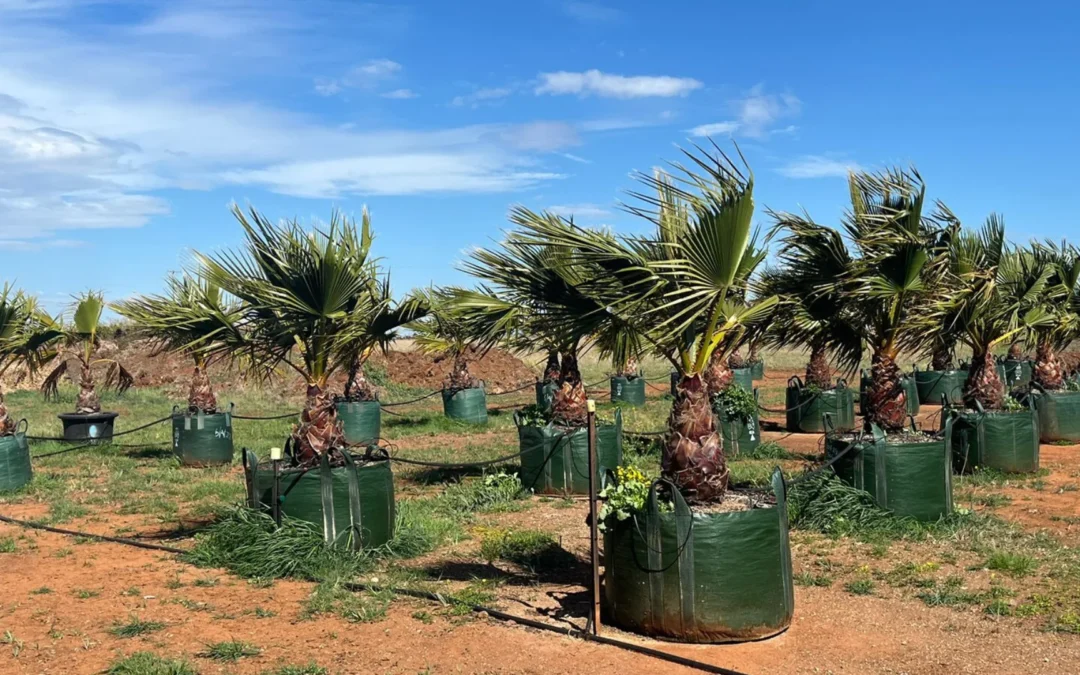
If you’re just starting, understanding the advantages of planter bag in farming is crucial. Many people are accustomed to using plastic pots, cement pots, or used drums. However, in modern agriculture, the use of planter bags is now much more recommended for sound technical reasons. Want to know the advantages of using planter bags? Here’s a complete review!
4 Advantages of Planter Bag in Farming
Based on quality standards from manufacturers like Planter Bag Factory, these planting bags are made from non-woven fabric with microporous pores. This simple technology has a significant impact on plant health and farmer efficiency. Let’s discuss its advantages in a practical agricultural context below.
1. A Much Stronger Root System
The first advantage of planter bags in farming is a better root system. The main problem with plastic or cement pots with hard walls is the phenomenon of root entanglement. When plant roots grow until they touch the hard walls of the pot, they cannot penetrate. As a result, the roots will grow in a circle, following the shape of the pot. If left unchecked, these entangled roots will interlock and inhibit nutrient absorption.
With planter bags, this does not happen because of the process of air-pruning the roots. Because the bag material is porous, the tips of the roots that reach the edge of the bag are exposed to air and automatically stop growing. This actually encourages the plant to grow many new fibrous roots inside the growing medium. The more fibrous roots, the more nutrients and water the plant can absorb. As a result, the plant grows faster and stronger.
2. Optimal Planting Media Temperature Management
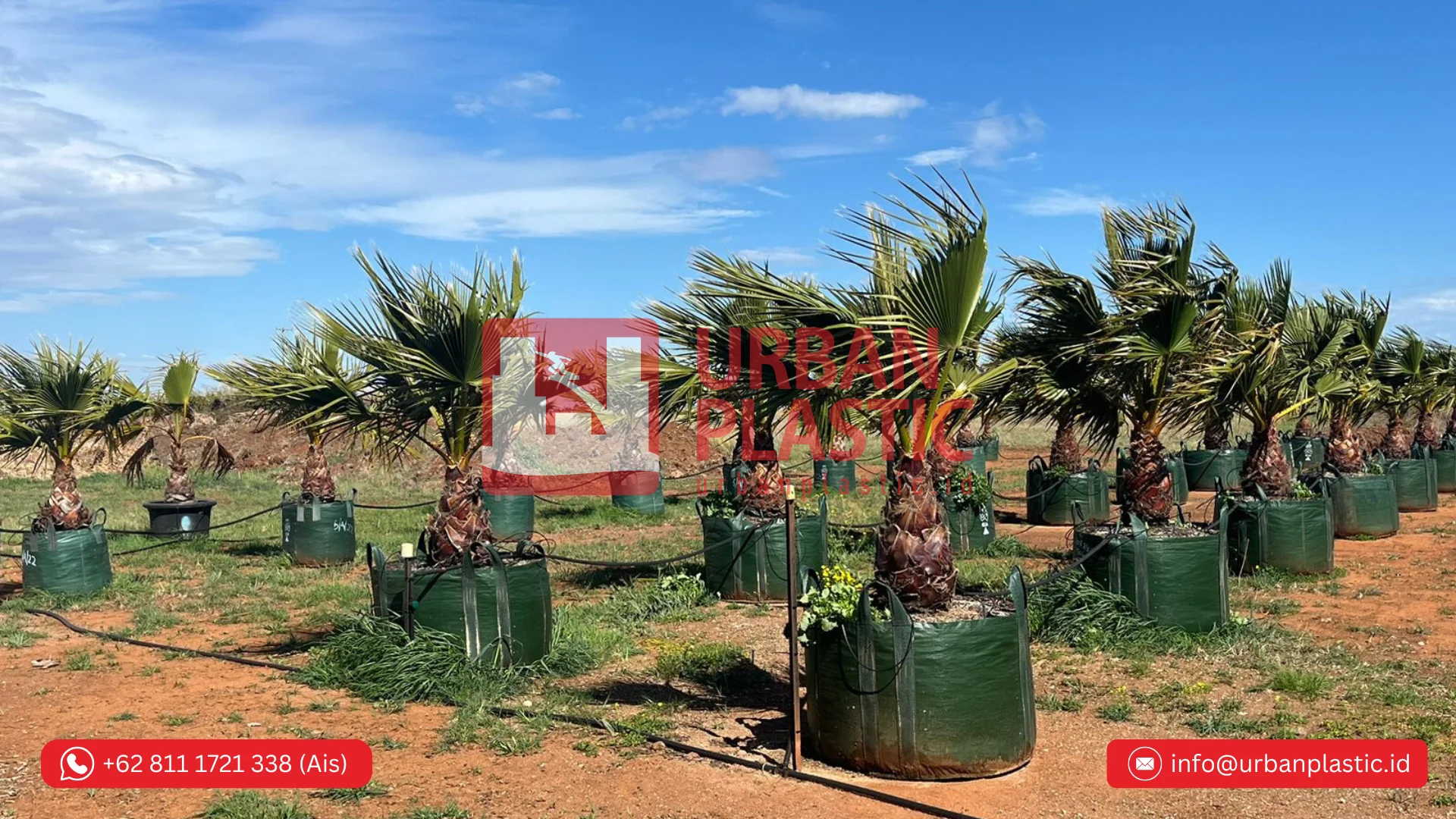
Plastic or ceramic pot walls tend to retain heat when exposed to direct sunlight. High temperatures inside the growing medium can damage roots and inhibit the activity of microorganisms essential for plants.
Planter bags allow for smooth air circulation through the pores of the fabric. Air can enter and exit freely, maintaining a stable temperature inside the growing medium, which is cooler than in plastic pots. This stable temperature is crucial in agriculture to prevent plants from wilting or experiencing heat stress during hot, sunny days.
3. Automatic Drainage Prevents Rot
Many plants fail to harvest due to root rot. This usually occurs when too much water is poured into the pot and trapped at the bottom due to clogged or insufficient drainage holes.
By using a planting bag, the entire bottom and sides of the bag act as drainage channels. Excess water seeps directly out through the pores of the material. With this natural drainage system, the growing medium will not become excessively soggy. This significantly reduces the risk of fungal infections and root rot.
4. Practical in Logistics and Storage
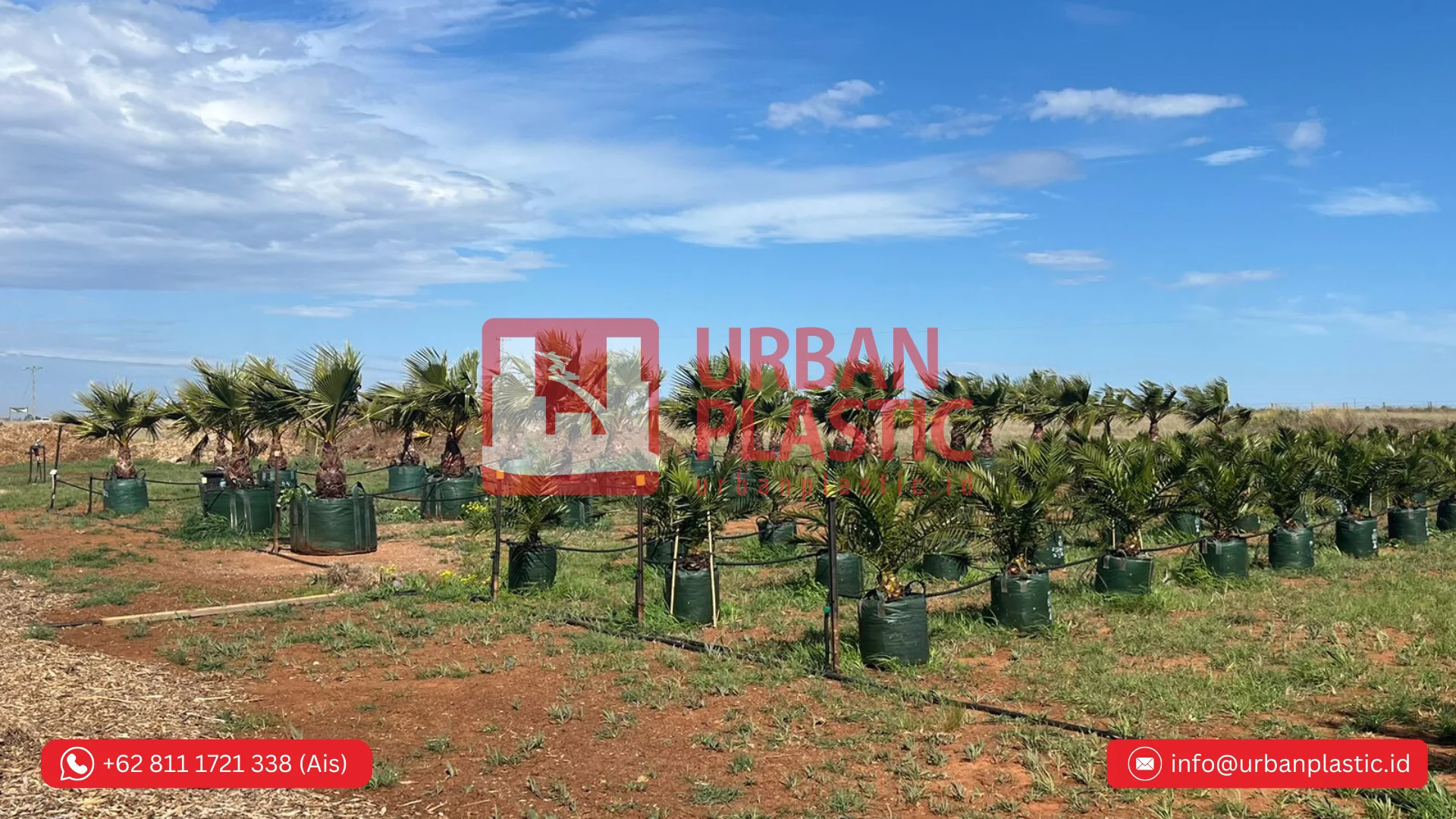
In large-scale agricultural operations, the issue of storing empty containers is often a challenge. Plastic pots take up a lot of space due to their rigid shape. In contrast, planter bags can be folded thinly when not in use.
Furthermore, they are very lightweight. If we order in bulk, shipping costs will be much cheaper than sending plastic pots of the same volume. When plants grow large and need to be moved, these bags are usually equipped with strong handles, making it easier for workers to lift or shift the plants without damaging the containers.
That concludes our review of the advantages of planter bag in farming. Using planter bags is a smart way to increase agricultural efficiency. With improved root respiration technology, stable temperature regulation, and ease of mobility, plant yields are guaranteed to be more optimal than using conventional containers.
For more information about Planter Bag please contact: Whatsapp/Mobile Phone: +62 811 1721 338 (Ms. Ais) or Email : info@urbanplastic.id