
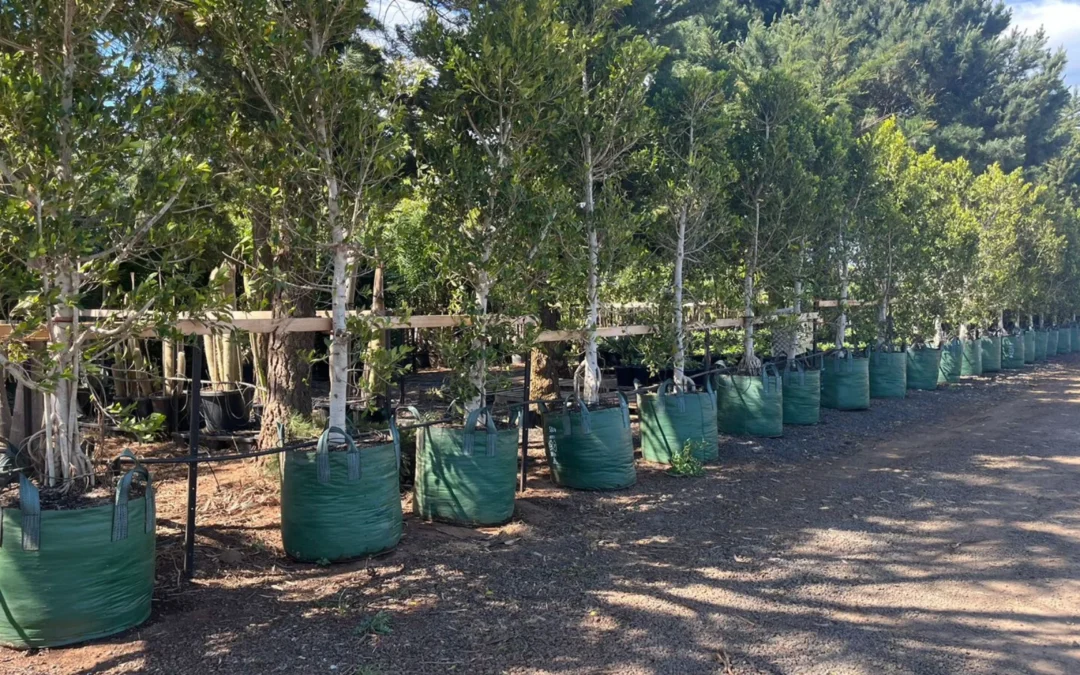
A plant bag garden offers an excellent way to grow vegetables, herbs, and flowers in small spaces. These fabric containers have become increasingly popular among home gardeners. They provide unique benefits that traditional pots simply cannot match. Many beginners find grow bags easier to manage than heavy ceramic or plastic alternatives.
How a Plant Bag Garden Improves Root Health
Fabric pots allow air to circulate through the soil from all sides. When roots reach the edge of the container, they encounter drier soil and fresh air. This exposure naturally prunes the root tips. The plant responds by growing new, fibrous roots throughout the soil mass. The result is a dense, healthy root network that absorbs nutrients more efficiently.
Traditional plastic pots force roots to circle the container walls. Over time, this creates a root-bound plant with limited growth potential. Fabric containers eliminate this problem. The improved root structure leads to stronger stems, bigger leaves, and higher yields for vegetable crops.
Choosing the Right Soil Mix
A plant bag requires a well-draining potting mix. Standard garden soil becomes too compacted inside fabric containers. Using a blend of peat moss or coco coir, perlite, and compost is best. One effective recipe combines forty percent peat moss, twenty-five percent perlite, twenty-five percent compost, and ten percent garden soil.
Avoid using straight compost alone. While compost provides excellent organic matter, plants need diverse minerals for optimal growth. A balanced mix ensures your container garden thrives throughout the entire growing season.
Selecting the Proper Bag Size
Size matters significantly when planning a plant bag. Small herbs like basil and thyme fit comfortably in two-gallon containers. Medium vegetables such as peppers and bush beans need at least five gallons of soil. Large plants like tomatoes and sweet potatoes require ten-gallon bags or larger.
Underestimating container size leads to stunted growth. Root-bound plants struggle to find enough nutrients and water. Always consider the mature size of each crop before filling your fabric pot. Larger bags also retain moisture longer, reducing daily watering demands.
Watering Strategies for Fabric Containers
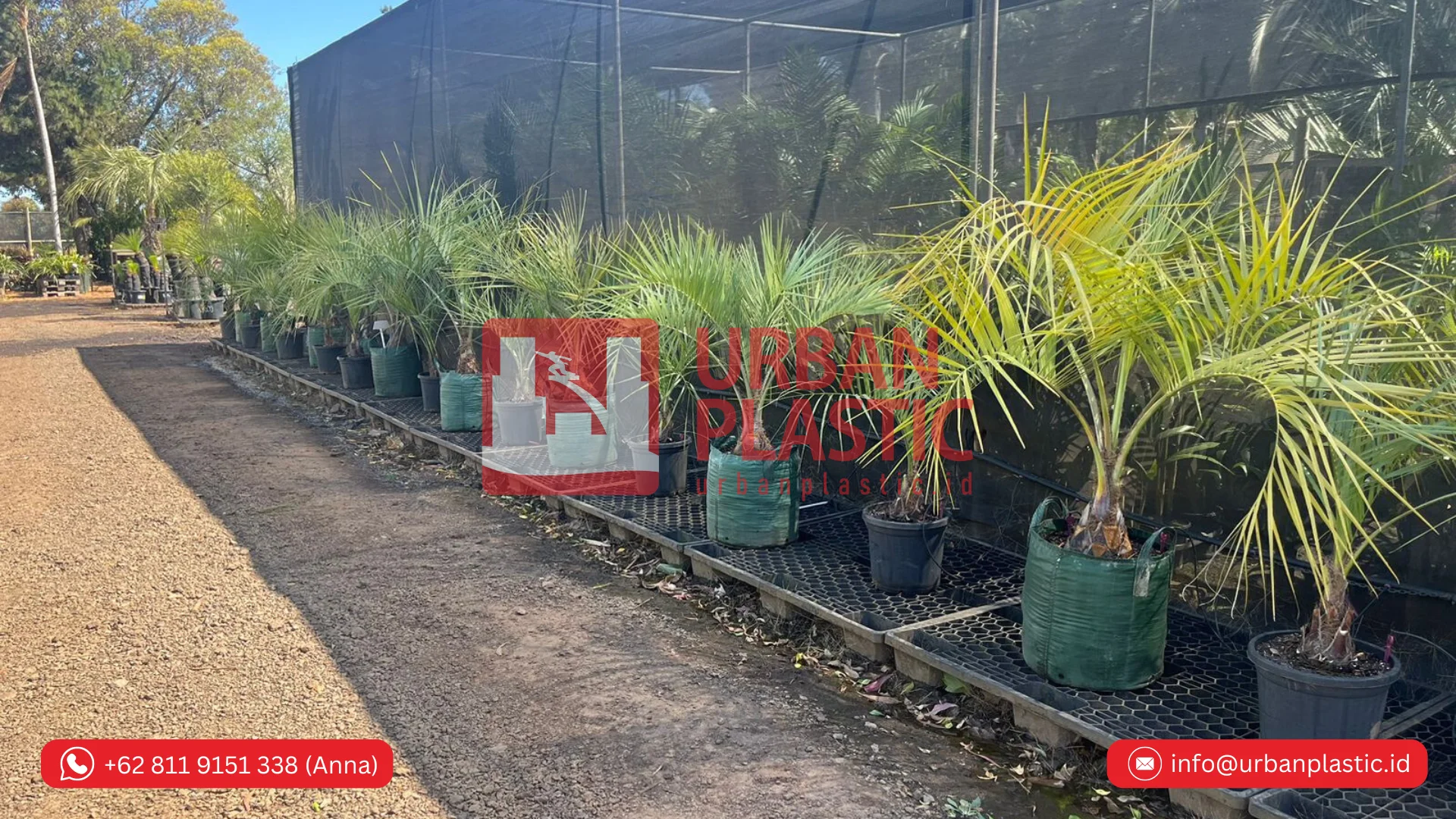
Grow bags drain faster than solid containers. The breathable fabric allows moisture to escape from every side. This prevents soggy soil and root rot. However, it also means plants need more frequent watering. Checking soil moisture daily becomes essential during hot summer months.
Morning watering works best for most crops. This schedule gives plants hydration before the midday heat arrives. Some gardeners use self-watering systems or oyas for thirsty vegetables. These tools provide consistent moisture without constant manual attention.
Placing a saucer underneath can help on balconies. This setup catches excess drainage and protects surfaces below. Just ensure the bag does not sit in standing water for extended periods.
Temperature Control and Seasonal Care
Fabric containers regulate soil temperature better than black plastic pots. The porous material allows heat to escape during scorching afternoons. This keeps roots cooler and reduces heat stress. In early spring, the same fabric provides slight insulation against chilly nights.
Dark-colored bags absorb more warmth. This feature benefits gardeners in cooler climates. It helps seedlings establish faster when temperatures remain unpredictable. Moving bags to catch the afternoon shade protects sensitive crops during heat waves.
Best Plants for a Plant Bag
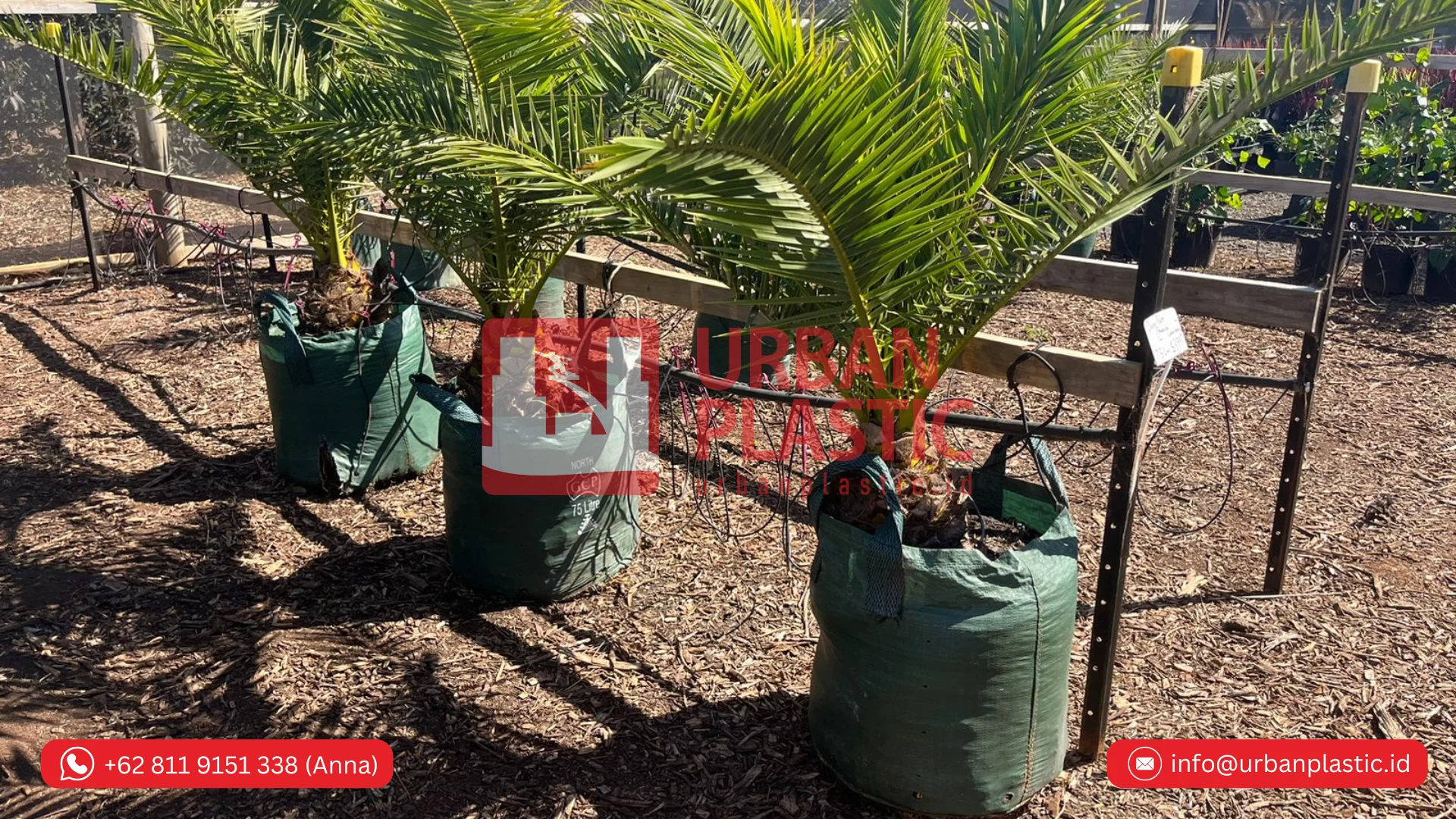
Many crops thrive inside fabric containers. Leafy greens like lettuce, kale, and arugula grow quickly in small bags. Root vegetables such as carrots, radishes, and beets develop straight, unhindered roots. Bush varieties of cucumbers and squash adapt well to medium containers.
Herbs perform exceptionally in fabric pots. Basil, cilantro, dill, and parsley all prefer excellent drainage. Strawberries and compact pepper plants also produce abundant harvests. Even compact tomato varieties succeed when given enough soil volume and support stakes.
Potatoes deserve special mention. Harvesting tubers becomes incredibly simple with grow bags. Gardeners can reach through the fabric sides to check progress. Some specialized potato bags feature bottom openings for easy access.
Upgrade your gardening experience with premium planter bags from Planter Bag Factory. Designed with durable HDPE material and excellent drainage systems, these plant bag garden help maintain healthy soil moisture while supporting stronger root growth for vegetables, flowers, and fruit trees.
For more information about Planter Bag please contact: Whatsapp/Mobile Phone: +62 811 9151 338 (Ms. Anna) or Email : info@urbanplastic.id