
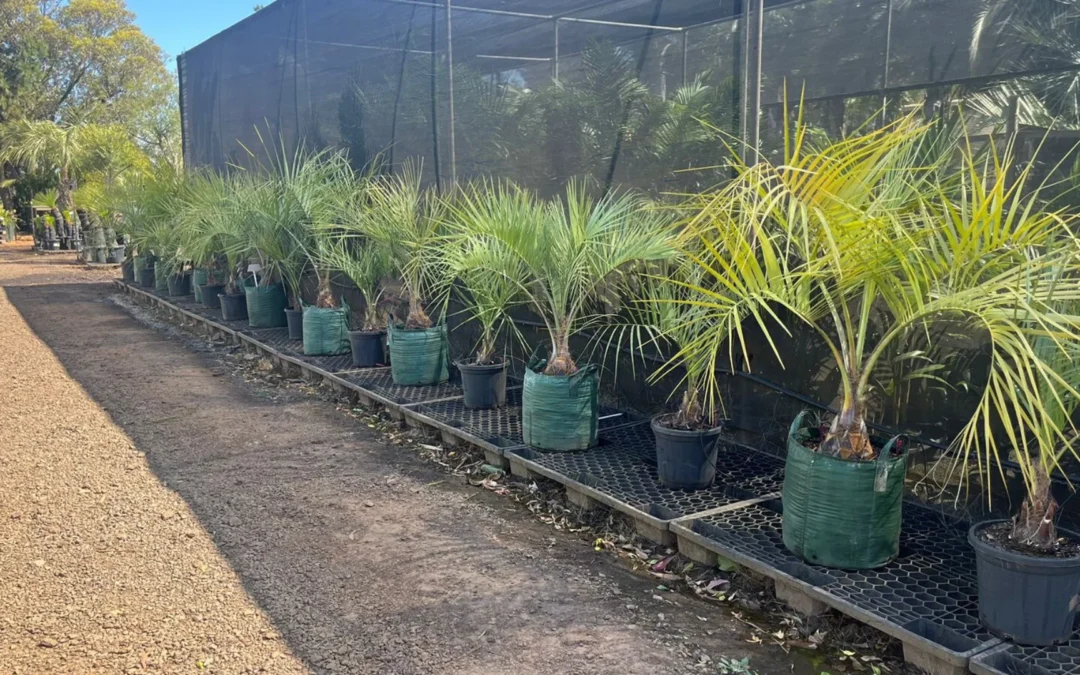
200 liter planter bag capacity for fruit trees offers a robust solution for both hobbyists and commercial growers, especially those looking to grow large specimens in limited spaces. With the continued rise of urban farming, the transition from traditional clay or plastic pots to high-quality fabric containers has become the norm, especially for those seeking healthier root systems and higher yields.
This specific volume is crucial because it bridges the gap between ornamental gardening and serious fruit production. It provides sufficient substrate to support the tree throughout its productive years.
Understanding the 200 Liter Planter Bag Capacity for Fruit Trees
When selecting a container for perennial crops, volume is the most critical factor. A 200 liter planter bag capacity ensures that species like citrus, avocado, mango, or dwarf apple varieties have sufficient room for lateral root expansion. Unlike traditional rigid pots, these bags are typically made from heavy-duty, UV-stabilized woven or non-woven geotextile fabrics.
The primary advantage of this capacity lies in the biological process known as “air pruning.” In a standard plastic pot, roots tend to circle the edge, eventually becoming “root-bound” and choking the plant.
However, fabric bags allow air to penetrate the sides. When a root tip reaches the fabric, it is exposed to air, dehydrates slightly, and stops growing at that point. This signals the plant to produce a profusion of fibrous feeder roots throughout the center of the bag, leading to much more efficient nutrient uptake and a healthier tree.
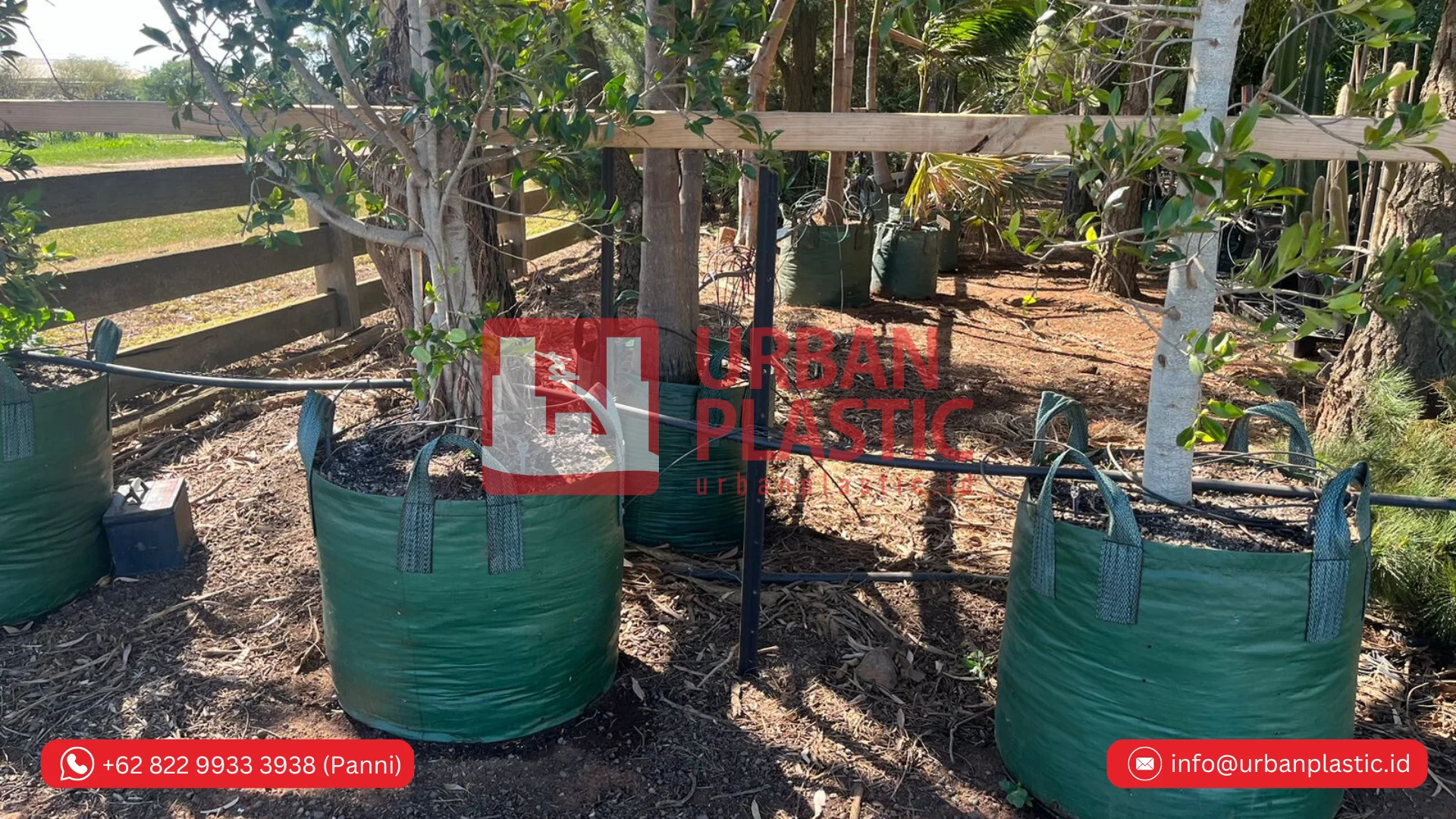
Superior Drainage and Thermal Regulation
One of the greatest challenges in container gardening is managing moisture levels. Large-scale containers often suffer from waterlogging at the bottom, which leads to root rot.
High-quality planter bags solve this through natural porosity. Excess water drains evenly through the fabric, maintaining an ideal balance of moisture and oxygen.
Furthermore, the thermal properties of these bags are far superior to dark-colored plastic or ceramic pots. During peak summer months, plastic pots can bake the soil, reaching temperatures that damage sensitive root hairs.
Fabric bags allow the soil to breathe, dissipating heat through evaporation and keeping the root zone significantly cooler. This temperature stability is vital for fruit trees, as heat stress can cause premature fruit drop or stunted growth.
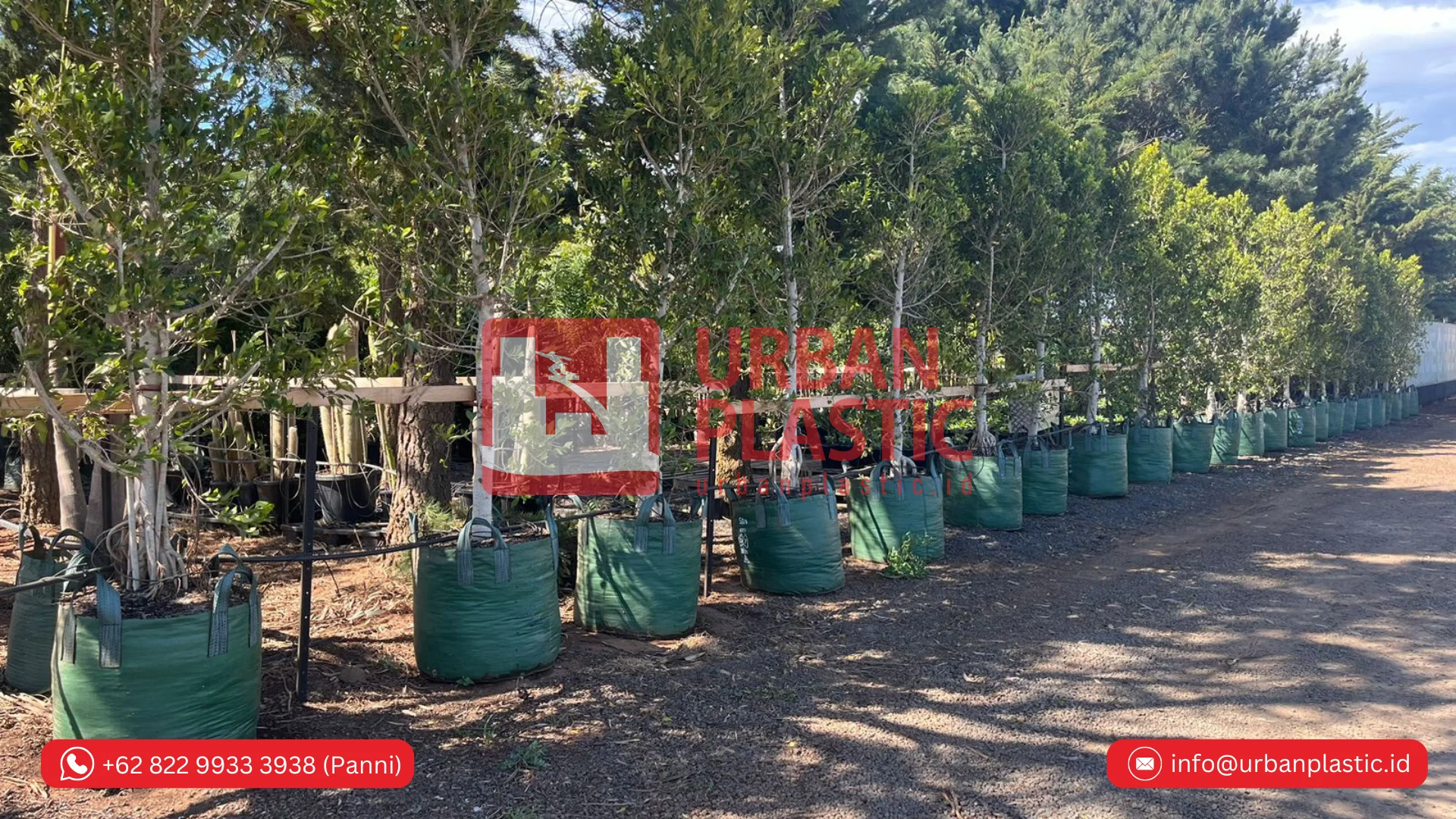
Mobility and Longevity in Modern Agriculture
Despite the substantial volume, these containers remain surprisingly manageable. Most are equipped with reinforced, heavy-duty handles designed to support the weight of the soil and the tree. This mobility allows for the strategic relocation of trees to maximize sunlight exposure throughout different seasons or to protect them from harsh winter frosts.
From a sustainability perspective, these bags are built to last. Using high-density polyethylene (HDPE) with UV stabilizers ensures that the material does not degrade under intense sunlight for several years.
This durability makes them a cost-effective and environmentally friendly alternative to single-use plastics. By the time a tree outgrows the container, it is usually ready for permanent ground planting or will have provided years of bountiful harvests in its mobile home.
Transitioning to large-capacity fabric containers represents a shift toward smarter, more breathable gardening. By providing ample space, superior aeration, and excellent drainage, these bags create a nursery-quality environment in any setting. From rooftop gardens to paved backyards. Investing in the right container volume, such as a 200 liter planter bag capacity for fruit trees, is the first step toward ensuring a fruit tree thrives for a lifetime.
For more information about Planter Bag please contact: Whatsapp/Mobile Phone: +62 822 9933 3938 (Ms. Panni) or Email : info@urbanplastic.id