
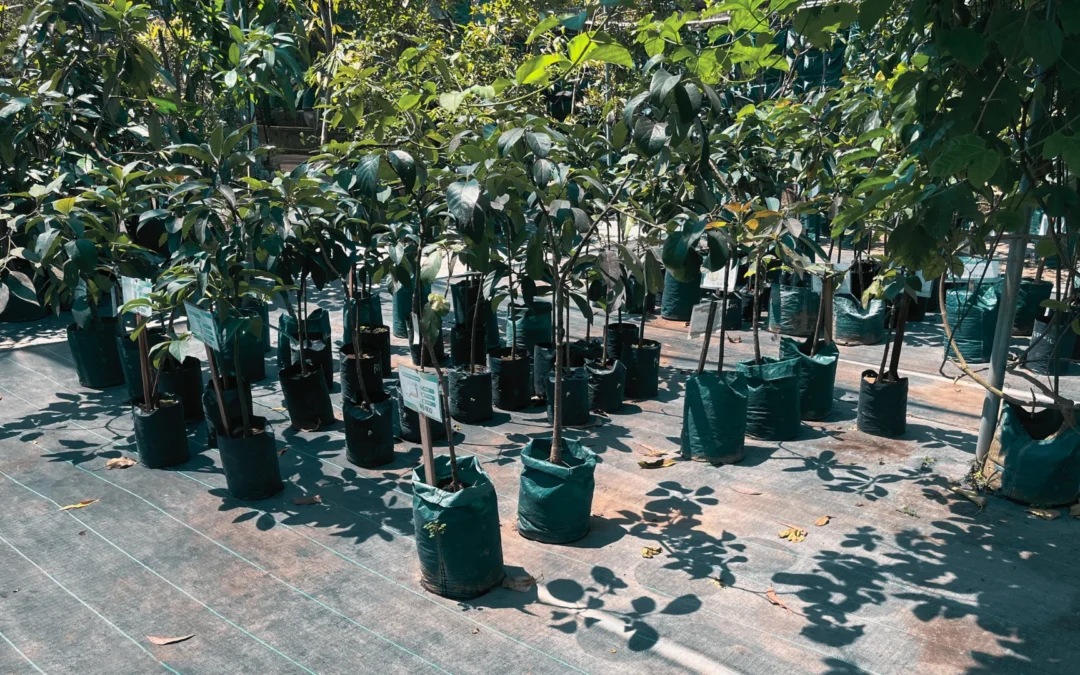
Two grow bags can look almost identical on a shelf and behave completely differently after one season. One still holds its shape, the other sags, splits at the seam, and crumbles when you lift it. The difference is almost never the stitching. It is the fabric. If you are sourcing bags for a nursery, running a garden brand, or manufacturing your own planters, understanding grow bag fabric is what separates a product that lasts five seasons from one that lasts five months.
What Is Grow Bag Fabric Made Of?
Most grow bag fabric is made from polypropylene (PP), sometimes from high-density polyethylene (HDPE). Both are lightweight, resistant to rot, and safe for growing food when produced without harmful additives. What matters more than the polymer name is how the fibers are put together. There are two main constructions, and they behave very differently.
Non-Woven Fabric
Non-woven grow bag fabric is made by bonding fibers together rather than weaving them, which gives it a felt-like surface with no visible thread pattern.
Because the fibers sit in a random structure, air passes through the entire surface rather than only through gaps between threads. This is what drives air pruning: when roots reach the wall of the bag and meet dry air, they stop extending and branch out instead. The result is a dense network of feeder roots rather than a few long roots circling the container.
Non-woven fabric also breaks up heat. Soil in a non-woven bag runs cooler than soil in a plastic pot under the same sun. The trade-off is structure. A non-woven bag holds its shape mostly because of the soil inside it, so an empty bag will slump.
Woven Fabric
Woven grow bag fabric is made from interlaced tapes or threads, which makes it noticeably stronger under tension and more resistant to tearing.
This construction suits larger volumes. Once a bag holds 50, 100, or 200 liters of wet media, the stress on the fabric and seams becomes considerable, and woven fabric handles that load better. It also stands up to repeated lifting, dragging, and stacking in a commercial nursery. Woven fabric still drains well, but the airflow is more limited than non-woven since air moves through the weave gaps rather than the whole surface.
Which One to Choose
Choose non-woven for small to medium containers where root quality is the priority: vegetables, herbs, cannabis, seedlings, patio planting, and retail garden products. Choose woven for large-volume planters, raised bag systems, tree transplanting, and anything that will be moved while full. Many commercial growers use both. Non-woven for the production containers, woven for the heavy raised beds.
Understanding GSM: The Number That Decides Durability
GSM stands for grams per square meter, and it is the single most useful specification when comparing grow bag fabric.
Higher GSM means more material per square meter, which usually means a thicker, stiffer, longer-lasting fabric. As a general guide:
- Around 100 to 150 GSM. Light and inexpensive. Suitable for seedling bags and single-season use. Tends to lose structure quickly once exposed to sun.
- Around 200 to 260 GSM. The middle ground used by many retail grow bags. Reasonable durability for two to three seasons with normal handling.
- Around 300 GSM and above. Commercial grade. Holds shape well, resists tearing at handles and seams, and is the sensible choice for products you intend to sell with a durability claim.
Do not read GSM in isolation. A 300 GSM fabric without UV stabilization will fail faster outdoors than a 260 GSM fabric with proper UV additives.
UV Treatment and Real Service Life
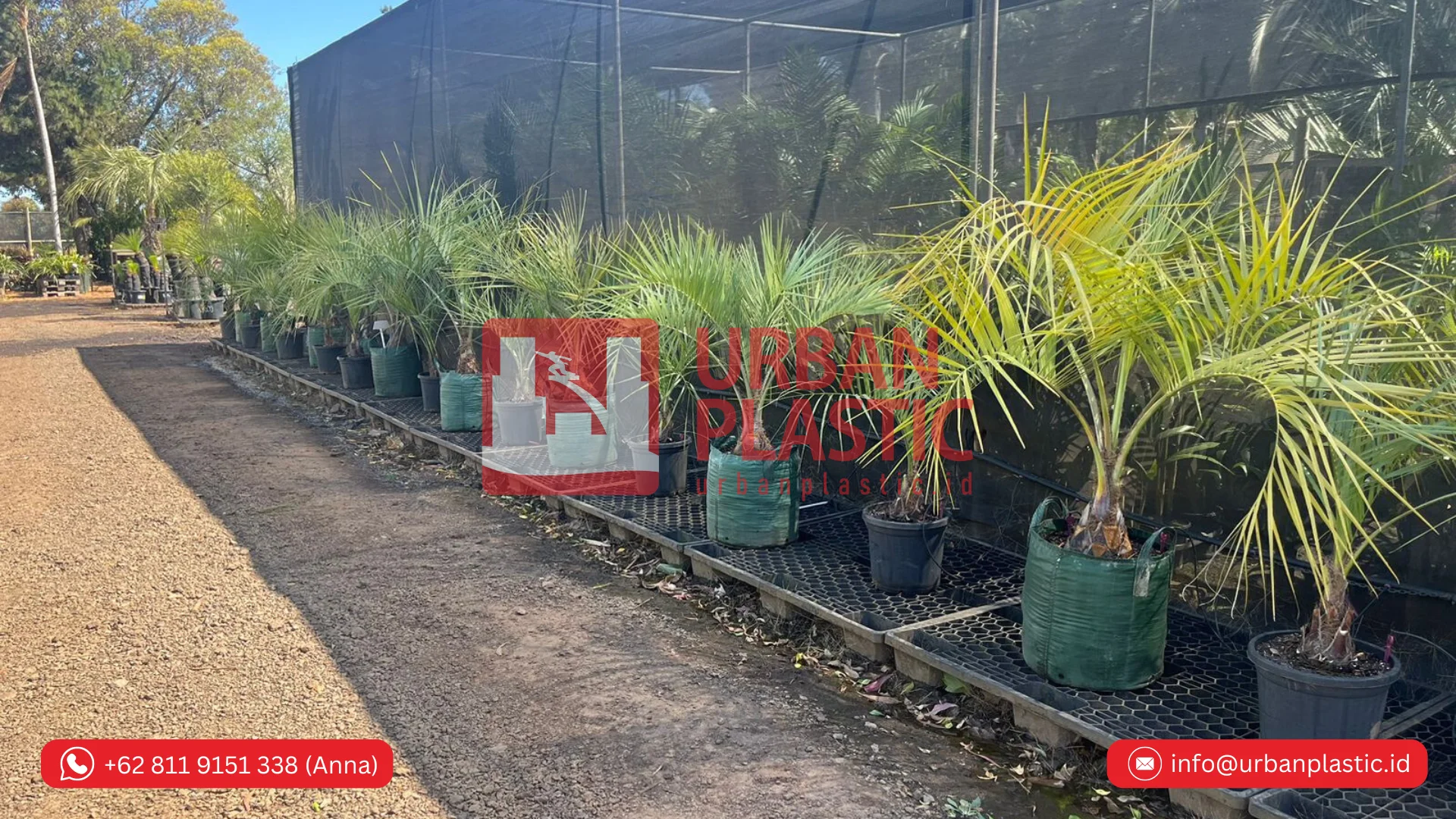
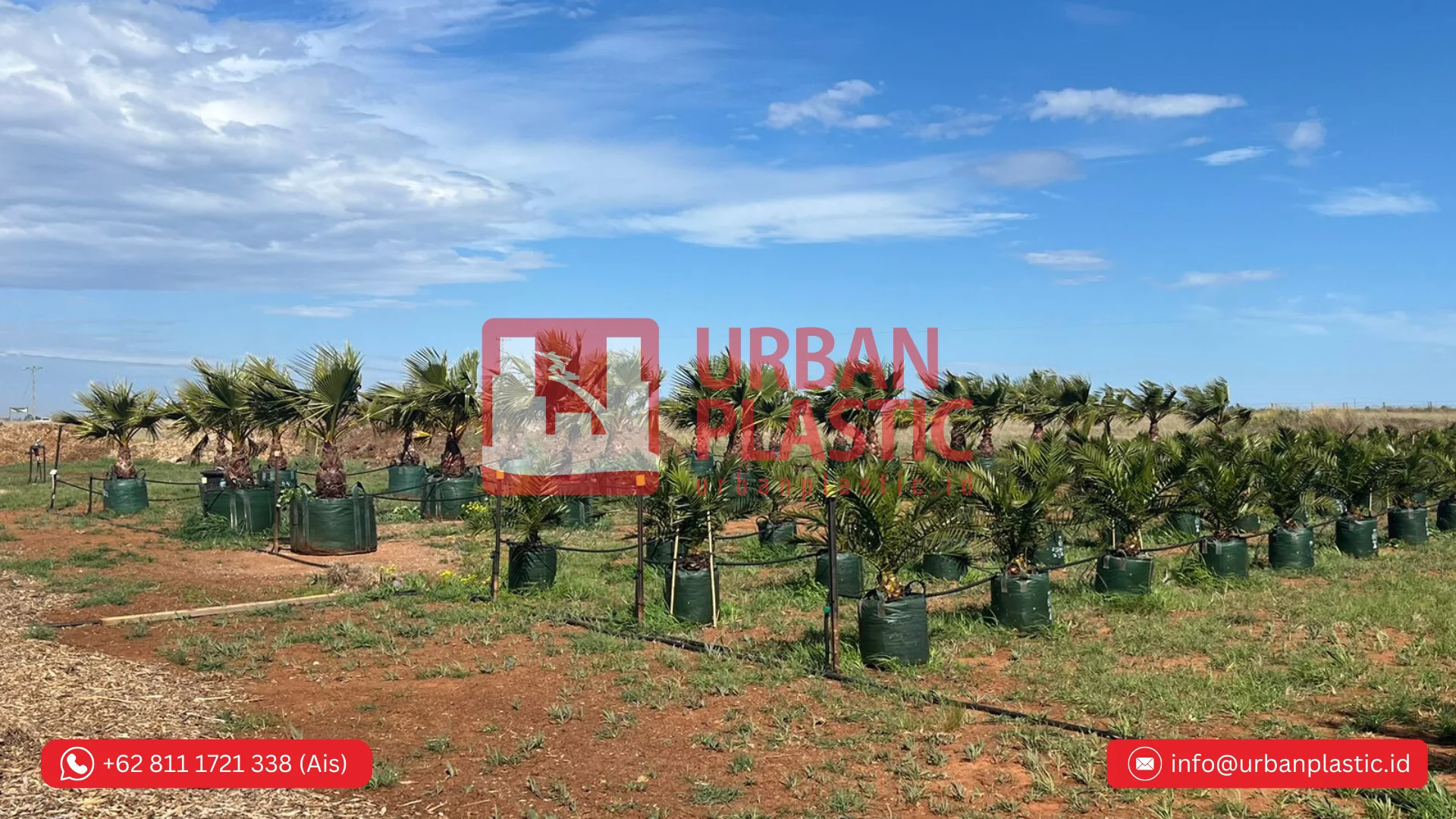
Sunlight is what kills grow bag fabric, not water and not soil. Ultraviolet radiation breaks down polypropylene at the molecular level. Untreated fabric left outdoors becomes brittle, loses color, and eventually tears at the slightest pressure. You can often feel it before you see it: the fabric stops feeling flexible and starts feeling papery.
UV-stabilized fabric contains additives that slow this process. In practice, this is the difference between a bag that survives one summer and a bag that lasts several years in full sun. When comparing suppliers, ask whether the fabric is UV treated, and treat any durability claim without a UV answer as incomplete.
Buying Grow Bag Fabric Roll: What You Need to Know
If you manufacture your own planters, run a sewing operation, or need custom sizes that no standard catalogue covers, buying a grow bag fabric roll makes far more sense than buying finished bags.
Who Buys by the Roll
- Garden brands producing bags under their own label
- Nurseries that need non-standard dimensions for specific crops
- Manufacturers of raised beds, grow systems, and vertical gardens
- Distributors supplying local sewing workshops
What to Specify When Ordering
A roll order needs more detail than a finished-goods order. Before requesting a quote, decide on:
- Construction. Non-woven or woven, as covered above.
- GSM. The weight that matches your product’s intended lifespan.
- Roll width. This is the specification that quietly determines your cost. Choose a width that divides cleanly into your panel dimensions, otherwise every cut leaves an offcut you cannot use.
- UV treatment. Confirm whether it is included and at what level.
- Color. Black is standard and generally offers the best UV resistance. Other colors are usually available for retail products.
- Roll quantity. Non-woven fabric is often priced and supplied by weight rather than length, so confirm whether you are buying meters or kilograms, and what the conversion is at your chosen GSM.
Estimating How Much Fabric You Need
Work from the panel, not from the bag. A cylindrical bag needs one side panel equal to the circumference by the height, plus one circular base, plus seam allowance and handle material. Add the total area of those pieces, then add 10 to 15 percent for cutting waste and rejects. Multiply by your production quantity, then divide by the usable area of one roll. Compare that figure against the minimum order quantity before committing, since roll production usually carries an MOQ that finished goods do not.
Mistakes That Cost the Most
Ordering on price per kilogram alone. A cheaper fabric at lower GSM covers more area per kilogram, which makes the unit price look attractive while delivering a weaker product.
Skipping the sample. Always request a physical sample and, if possible, leave it outdoors for a few weeks before committing to a large order. Specifications on paper do not tell you how the fabric feels after real sun exposure.
Ignoring roll width in the design stage. Designing a bag first and sourcing fabric second often means paying for material you will throw away. Design panel sizes around available roll widths instead.
Assuming all non-woven grow bag fabric is the same. Bonding method, fiber quality, and additive content vary widely between suppliers even at identical GSM.
Grow bag fabric comes down to three decisions: construction, weight, and UV protection. Non-woven for airflow and root quality, woven for strength under load. GSM sets the durability, and UV treatment determines whether that durability survives outdoors.
For anyone producing planters at scale, ordering a grow bag fabric roll gives control over size, weight, and cost that finished bags cannot match, provided the panel design and the roll width are planned together rather than separately. If you are unsure which specification suits your product, start with a sample of two or three GSM options and test them under your actual growing conditions. It is a small cost compared to a full production run in the wrong material.
FAQ
What is grow bag fabric made of?
Most grow bag fabric is made from polypropylene, either as non-woven felt-like material or as woven tape fabric. Some heavy-duty products use HDPE woven fabric.
What GSM is best for grow bags?
Around 200 to 260 GSM suits general retail use, while 300 GSM and above is more appropriate for commercial products expected to last several seasons. Below 150 GSM is generally single-season material.
How long does grow bag fabric last?
It depends almost entirely on UV exposure and fabric weight. UV-stabilized grow bag fabric in the 300 GSM range can serve several years outdoors, while untreated lightweight material may degrade within a single season of full sun.
Can I buy grow bag fabric by the roll instead of finished bags?
Yes. Buying a grow bag fabric roll is standard practice for brands and manufacturers producing their own bags, and it allows full control over size, weight, and specification. Note that non-woven rolls are often priced by weight rather than by meter, so confirm the basis before comparing quotes.
Is grow bag fabric safe for growing food?
Polypropylene is widely used for food-contact applications and is generally considered safe for edible crops. Ask your supplier to confirm that no harmful additives or recycled contaminants are present in the material.
For more information about Planter Bag please contact: Whatsapp/Mobile Phone: +62 811 9151 338 (Ms. Anna) or Email :info@urbanplastic.id