
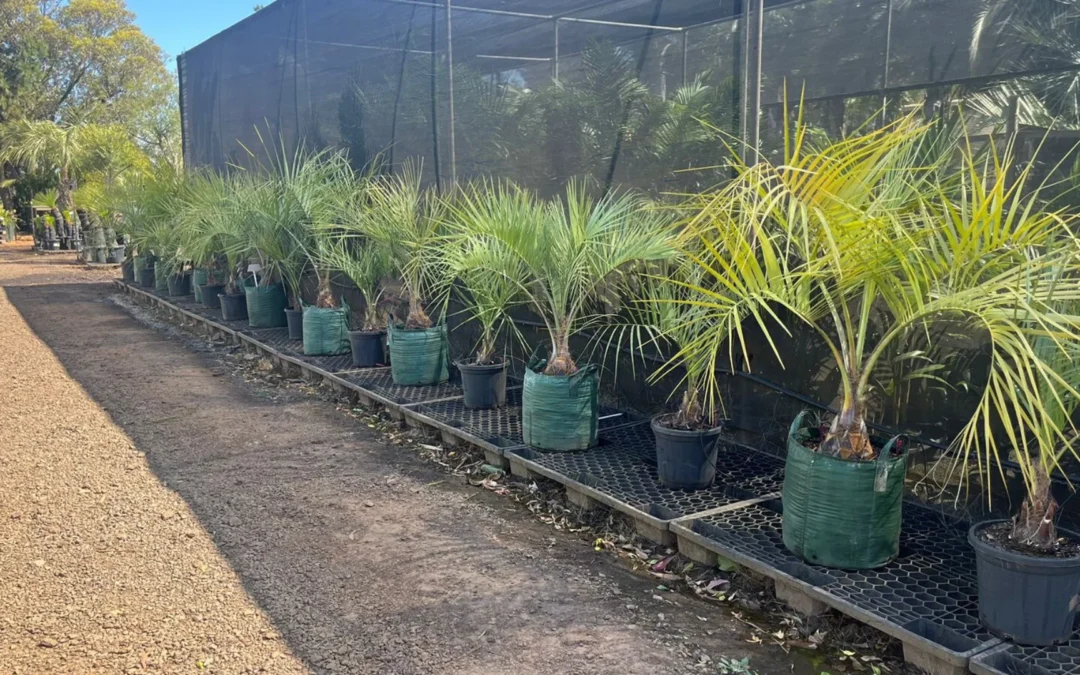
Having limited space does not mean you have to limit what you grow. Vegetables like lettuce, tomatoes, and cucumbers can thrive in grow bags, as long as you choose the right size.
As a quick reference, here are some general grow bag size recommendations for common vegetables:
- Leafy greens and herbs: 5-10 L (about 1-3 gallons), 15-20 cm deep
- Chilies, eggplants, and bush tomatoes: 10-20 L (about 3-5 gallons), with a depth of around 25-30 cm
- Indeterminate tomatoes, cucumbers, and squash: 20-30 L (about 5-8 gallons), preferably with additional plant support
- Carrots, potatoes, and sweet potatoes: 3-–50 L (about 8-13 gallons), with a minimum depth of around 30 cm
These are general recommendations. The ideal grow bag sizes may vary depending on the plant variety, climate, growing medium, and number of plants in each bag.
A Guide to Choosing Grow Bag Sizes for Different Vegetables
Choosing the right grow bag size starts with considering the plant’s mature size, root system, and growth habit. A bag that is too small can restrict root growth and dry out quickly, while one that is unnecessarily large may use more growing medium and retain excess moisture.
As a result, tomatoes may produce smaller fruit, carrots can grow forked or misshapen, and leafy vegetables may develop yellowing or wilting leaves more easily. Plants may also need more frequent watering because the growing medium cannot hold enough moisture.
On the other hand, using a grow bag that is much larger than necessary can require more growing medium and may retain excess moisture if watering and drainage are not managed properly.
What Size Grow Bag Do Herbs and Leafy Vegetables Need?
For basil, mint, coriander, green onions, lettuce, and spinach, grow bags with a capacity of around 5–10 liters (about 1–3 gallons). Since they have relatively shallow roots, a depth of around 15–20 cm is usually sufficient, especially if the bag is wide enough for the roots to spread.
For leafy vegetables, a wide container can sometimes be more useful than a very deep one. Several lettuce or spinach plants can be grown together in one bag as long as proper spacing is maintained.
Mint is a slight exception because it spreads quickly, so it is usually better grown in a separate bag. Keep in mind that smaller grow bags also dry out faster, so check the growing medium more often, especially in hot or sunny conditions.
What Size Grow Bag Do Chilies and Eggplants Need?
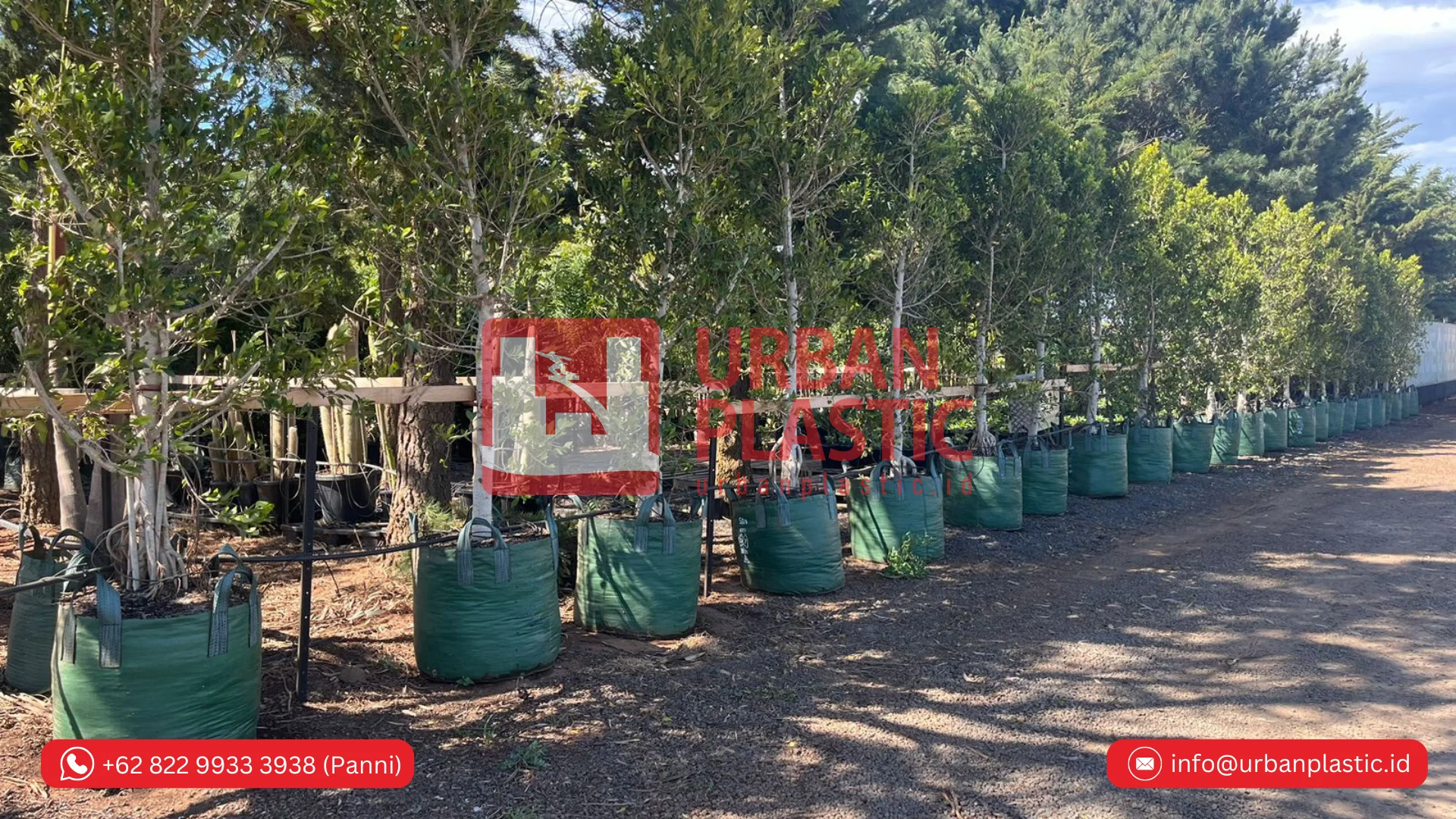
For fruiting vegetables such as chilies and eggplants, grow bags in the 10-20 liter range (about 3-5 gallons) can be a practical starting point. These fruiting vegetables need more growing medium than herbs because they must support leaves, stems, flowers, and fruit.
It is usually best to grow one main plant per bag, as multiple plants may compete for water, nutrients, and root space as they mature. A depth of around 25–30 cm is generally suitable for healthy root development.
If you are unsure between two sizes, choosing the larger one can help retain moisture longer, especially in hot weather.
What Size Grow Bag Do Tomatoes Need?
Tomatoes are a good example of why grow bag sizes cannot be treated as a one-size-fits-all choice. Determinate, or bush-type, tomatoes can often grow well in 15–20 liter (about 4–5 gallons) containers, while indeterminate tomatoes generally benefit from 20–30 liters (about 5–8 gallons) or more.
Larger containers provide more room for root growth and help the growing medium retain moisture for longer. This is especially useful for larger tomato plants, which need consistent water and nutrients as they produce fruit.
It is usually best to grow one tomato plant per grow bag. They may also need stakes, cages, or another type of support as they become taller and begin producing fruit.
What Size Grow Bag Do Cucumbers, Zucchini, and Other Large Vegetables Need?
On the other hand, cucumbers, zucchini, squash, pumpkins, and other climbing or spreading vegetables generally need more growing space. Depending on the variety, a grow bag of around 20–30 liters (about 5–8 gallons) or larger can give the roots enough room to develop.
These plants often need a trellis or other support, and a larger grow bag can provide a more stable base as the stems and fruit become heavier.
For best results, avoid growing several large plants in the same bag unless it is spacious enough to support all of their root systems.
Important Considerations for Root Vegetables
One common mistake when growing carrots, radishes, potatoes, or sweet potatoes is choosing a grow bag based only on its volume. In reality, the depth of the bag is just as important.
Carrots generally need at least 30 cm of growing medium to develop straight and properly. A bag that is too shallow can lead to short, forked, or misshapen roots.
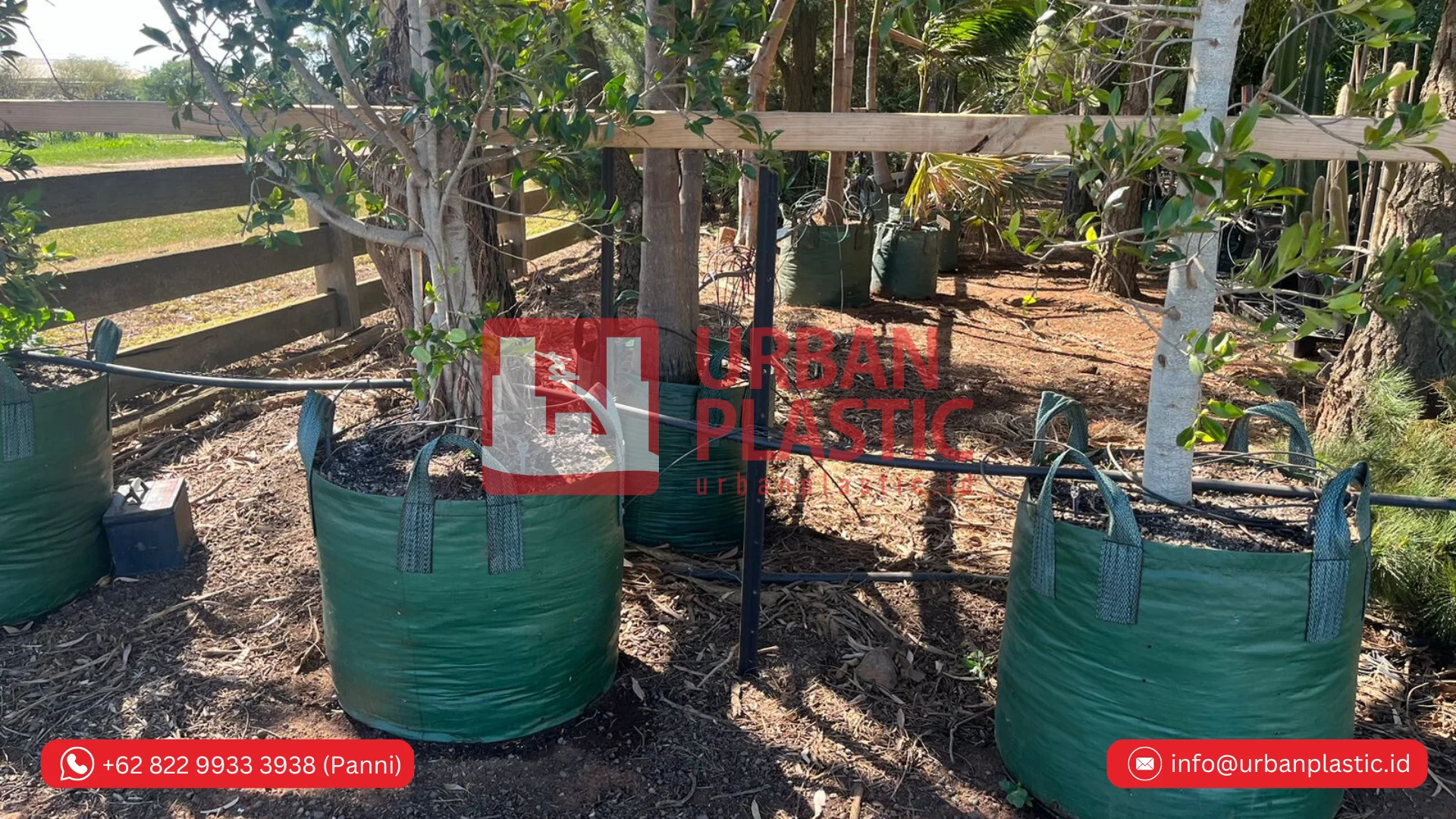
Potatoes and sweet potatoes benefit from deeper and larger grow bags because their tubers develop below the surface. A 30-50 liter grow bag (about 8-13 gallons) with at least 30 cm of depth is a good starting point. For best results, use a light, loose growing medium, since compacted soil can restrict root and tuber development.
For more information about Planter Bag please contact: Whatsapp/Mobile Phone: +62 822 9933 3938 (Ms. Panni) or Email : info@urbanplastic.id