
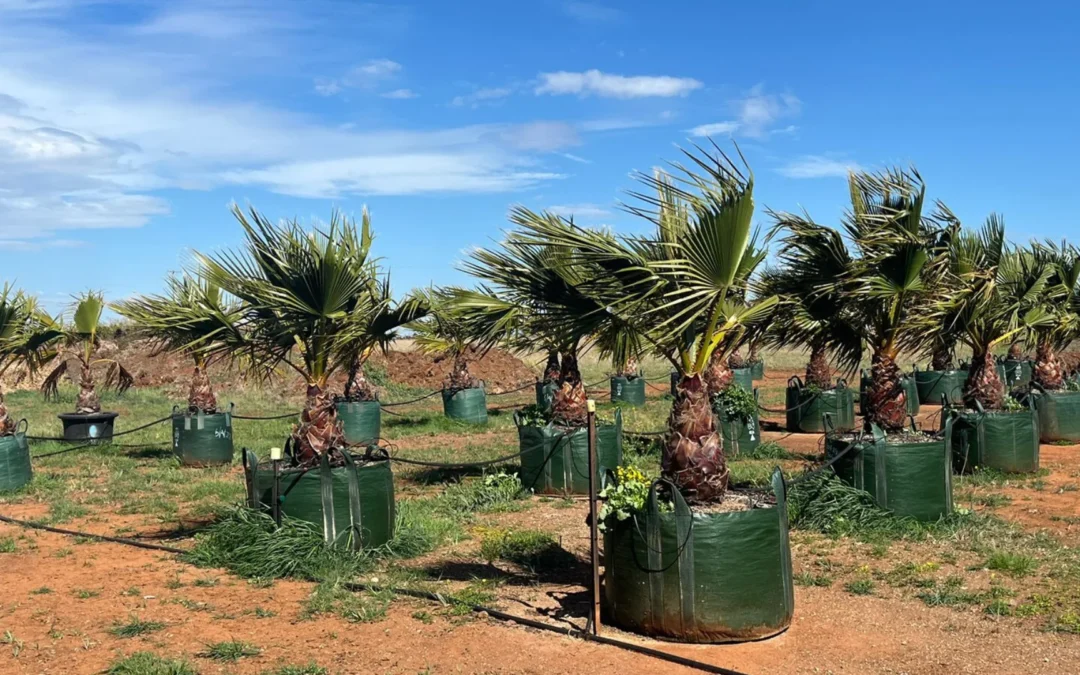
You don’t need a big backyard to grow your own fruit. A sunny balcony, a paved courtyard, or a strip beside the back door is enough and increasingly, gardeners are skipping traditional pots and beds in favour of grow bags. They’re light, they drain beautifully, and they pack away flat at the end of the season.
Two of the most rewarding crops to grow this way are tomatoes and strawberries. Both love the warmth and drainage that a grow bag provides, and both do surprisingly well in a compact space. This guide walks through how to get the best from a grow bag for tomatoes and a grow bag for strawberries, from choosing the right size to watering, feeding, and harvesting.
Why Grow Bags Work So Well for Fruit
Before getting into specific crops, it helps to understand why grow bags suit tomatoes and strawberries in the first place.
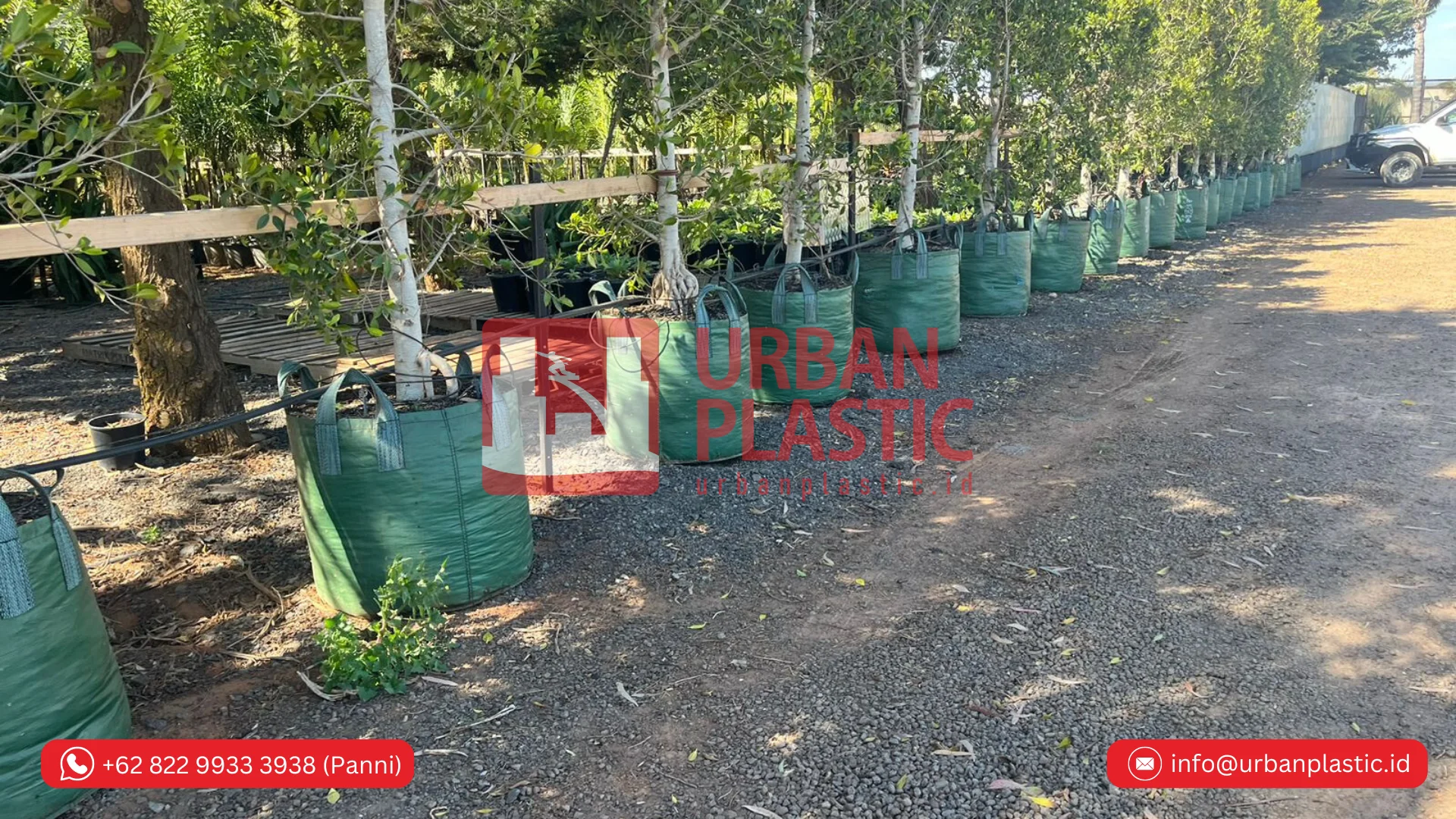
A fabric grow bag is made from a breathable textile rather than solid plastic. That breathability changes how roots behave. Instead of circling endlessly around the inside of a pot and becoming “root bound,” roots reaching the fabric edge are naturally air-pruned they stop and branch back, creating a dense, healthy root system. More roots means better uptake of water and nutrients, which shows up directly in your harvest.
The other big advantage is drainage and temperature. Excess water escapes through the fabric rather than pooling at the bottom, so roots are far less likely to sit in soggy soil and rot. The same breathability lets the soil warm up quickly in spring and avoids the overheating that plastic pots can suffer in full sun. For heat-loving crops like tomatoes and strawberries, that’s close to ideal.
Using a Grow Bag for Tomatoes
Tomatoes are hungry, thirsty, and fast-growing, which makes them a perfect match for the generous root room a grow bag offers.
Choosing the Right Size
Size is the single most important decision. Tomatoes develop large root systems, and cramming them into a small container is the fastest way to a disappointing crop.
- Aim for at least 30–40 litres per plant for full-size indeterminate (vining) varieties.
- One plant per bag generally beats crowding two or three into a shared bag each gets the water and nutrients it needs.
- Compact bush or determinate varieties can manage in slightly smaller bags, but more room never hurts.
Soil, Support, and Planting
Fill the bag with a good-quality potting mix rather than garden soil, which compacts and drains poorly in a container. Mixing in some compost gives plants a strong start.
Tomatoes need support. Set your stake, cage, or trellis in place at planting time so you don’t disturb the roots later. Plant deep tomatoes can grow roots along their buried stem, so setting the seedling a little lower than it sat in its pot produces a sturdier plant.
Watering and Feeding
This is where grow bags ask a little more attention. Because they drain and breathe so well, they also dry out faster than plastic pots in peak summer, a mature tomato in a grow bag may need watering once or even twice a day. Check by feeling the soil; water when the top few centimetres are dry, and aim for consistent moisture. Erratic watering is a common cause of split fruit and blossom-end rot.
Once the plants start flowering, feed regularly with a tomato fertiliser high in potassium to encourage fruit rather than just leafy growth. A steady feeding routine through the season keeps trusses productive.
Using a Grow Bag for Strawberries
Strawberries are the opposite of tomatoes in scale small, shallow-rooted, and happy to be grown in numbers but they take to grow bags just as readily.
Size and Spacing
Because strawberry roots are shallow, they don’t need deep bags. What they do appreciate is surface area and airflow.
- A grow bag for strawberries can comfortably hold several plants space them roughly 20–25 cm apart.
- Smaller bags of around 10–20 litres are perfectly adequate.
- Keeping the fruit up off the ground in a raised bag is a real bonus: it means cleaner berries and far fewer losses to slugs and rot.
Soil and Planting
Use a free-draining potting mix, ideally with some compost worked in. When planting, set each crown so it sits right at soil level bury it too deep and it can rot, plant it too high and it dries out. Firm the soil gently around each plant and water well.
Care Through the Season
Strawberries love sunshine, so give the bag the brightest spot you have at least six hours of direct sun a day brings out the sweetness in the fruit. Keep the soil evenly moist, watering at the base rather than over the leaves to reduce the risk of fungal problems.
Feed with a high-potassium fertiliser once flowering begins to support a good crop. Through the growing season plants send out runners long stems with baby plantlets on the end. You can snip these off to keep the parent plant focused on fruiting, or peg a few down into fresh soil to propagate new plants for free.
A Few Tips That Apply to Both
- Don’t skimp on sun. Both crops want as much direct light as you can give them.
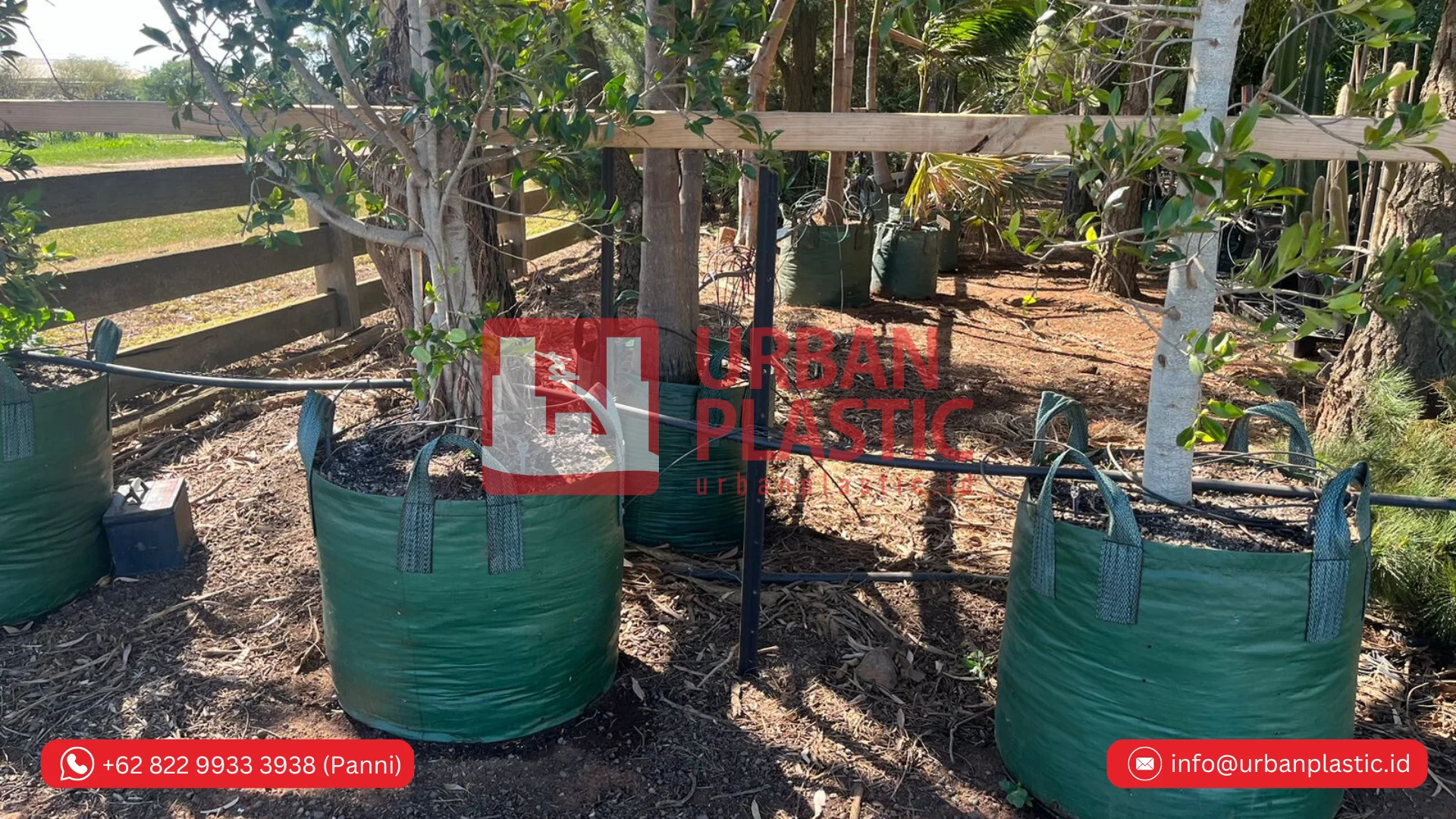
- Group bags to hold moisture. Standing bags close together shades the sides and slows drying on hot days.
- Watch the drainage, don’t fight it. The fast drainage is a feature, not a fault the answer is consistent watering, not a less breathable bag.
- Reuse them. Empty, brush out, and store fabric grow bags flat over winter, and a good-quality bag will serve you for several seasons.
Frequently Asked Questions
How many tomato plants can I put in one grow bag?
For the best harvest, stick to one full-size tomato plant per bag of around 30–40 litres. Crowding plants means they compete for water and food, and the yield of each drops. Very large bags are the only exception.
Do strawberries come back year after year in a grow bag?
Yes, strawberries are perennials and can crop for several years. In colder climates, give the bag some protection over winter, and refresh the soil or replace tired plants every few years to keep yields up.
Why does my grow bag dry out so quickly?
That fast drying is the flip side of the excellent drainage and airflow that make grow bags so good for roots. The fix is simply to water more often and consistently, especially in hot weather not to switch to a solid pot.
What size grow bag is best for tomatoes?
For most vining tomatoes, aim for at least 30–40 litres per plant. Bigger is better for these hungry, deep-rooted plants, while compact patio varieties can manage in somewhat smaller bags.
Grow bags turn tomatoes and strawberries into two of the easiest and most satisfying crops you can grow in a small space. The breathable fabric builds strong roots, drains away excess water, and keeps the soil warm exactly the conditions both fruits thrive in. Get the size right, keep the watering consistent, and give them plenty of sun, and a single grow bag for tomatoes or a grow bag for strawberries can reward you with a steady harvest right through the season no garden bed required.
For more information about Planter Bag please contact: Whatsapp/Mobile Phone: +62 822 9933 3938 (Ms. Panni) or Email : info@urbanplastic.id