
Growbag compost serves as a fundamental element for modern gardeners seeking to maximize yield in limited spaces. This specialized medium provides a balanced environment for root development, ensuring that plants receive adequate nutrition while maintaining necessary moisture levels.
Unlike traditional garden soil, which can become compacted and harbor pathogens, high-quality potting mixes designed for container use offer a sterile and porous structure. This shift toward container-based cultivation has transformed balconies, rooftops, and small backyards into productive green havens.
Essential Benefits of Growbag Compost in Fabric Planters
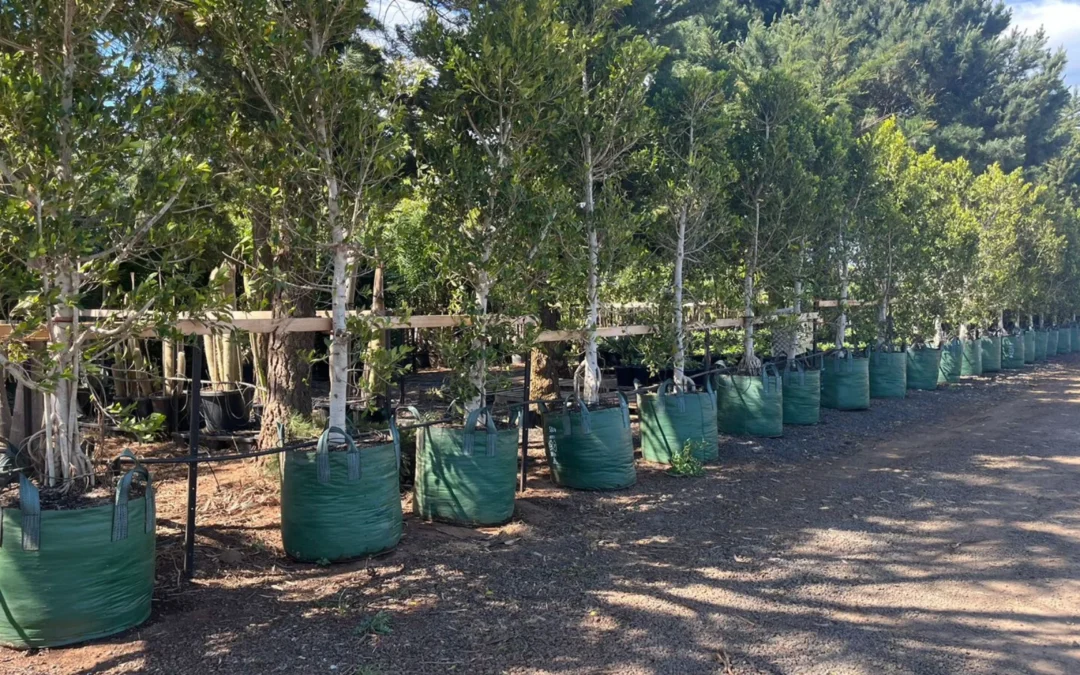
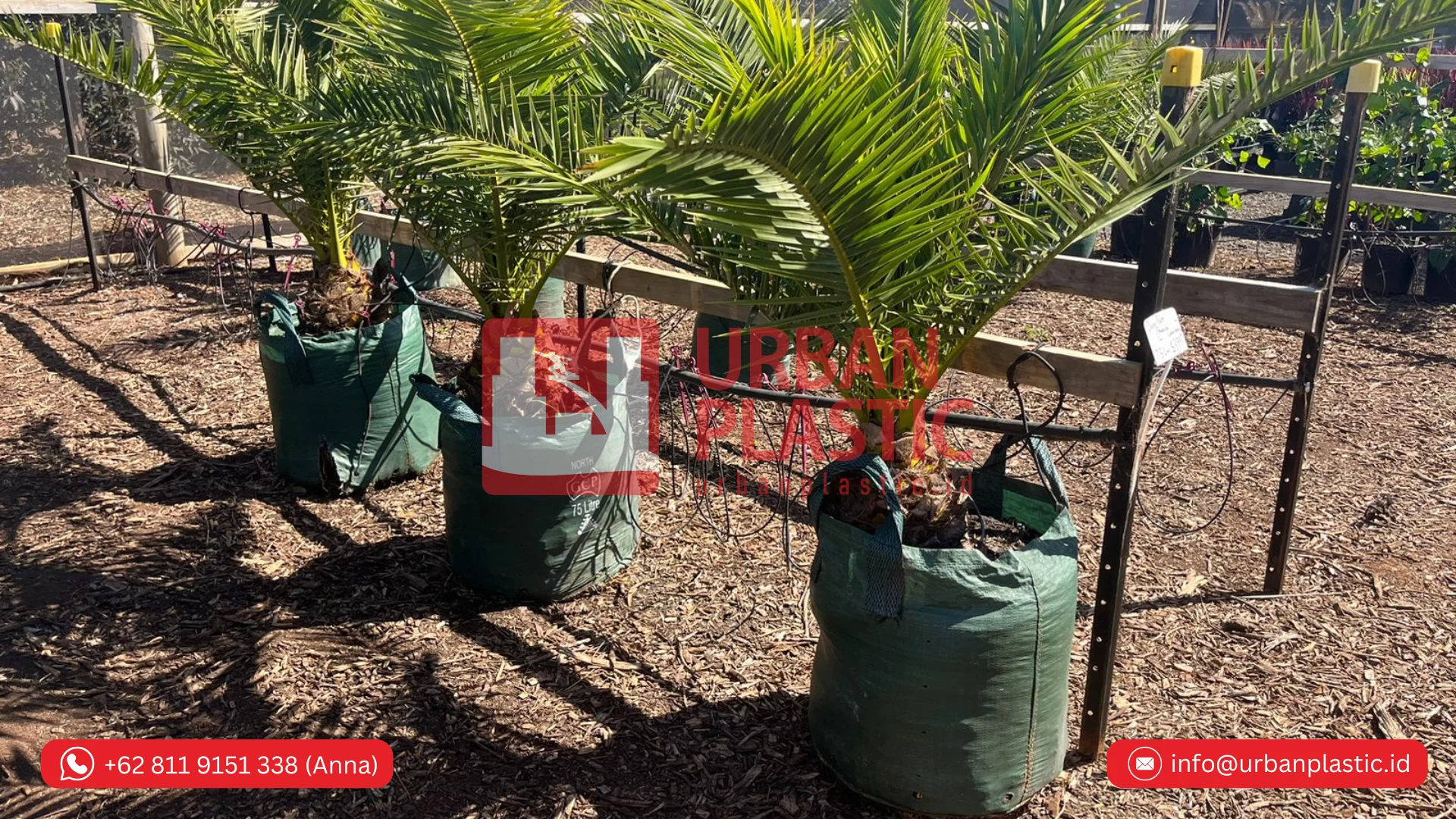
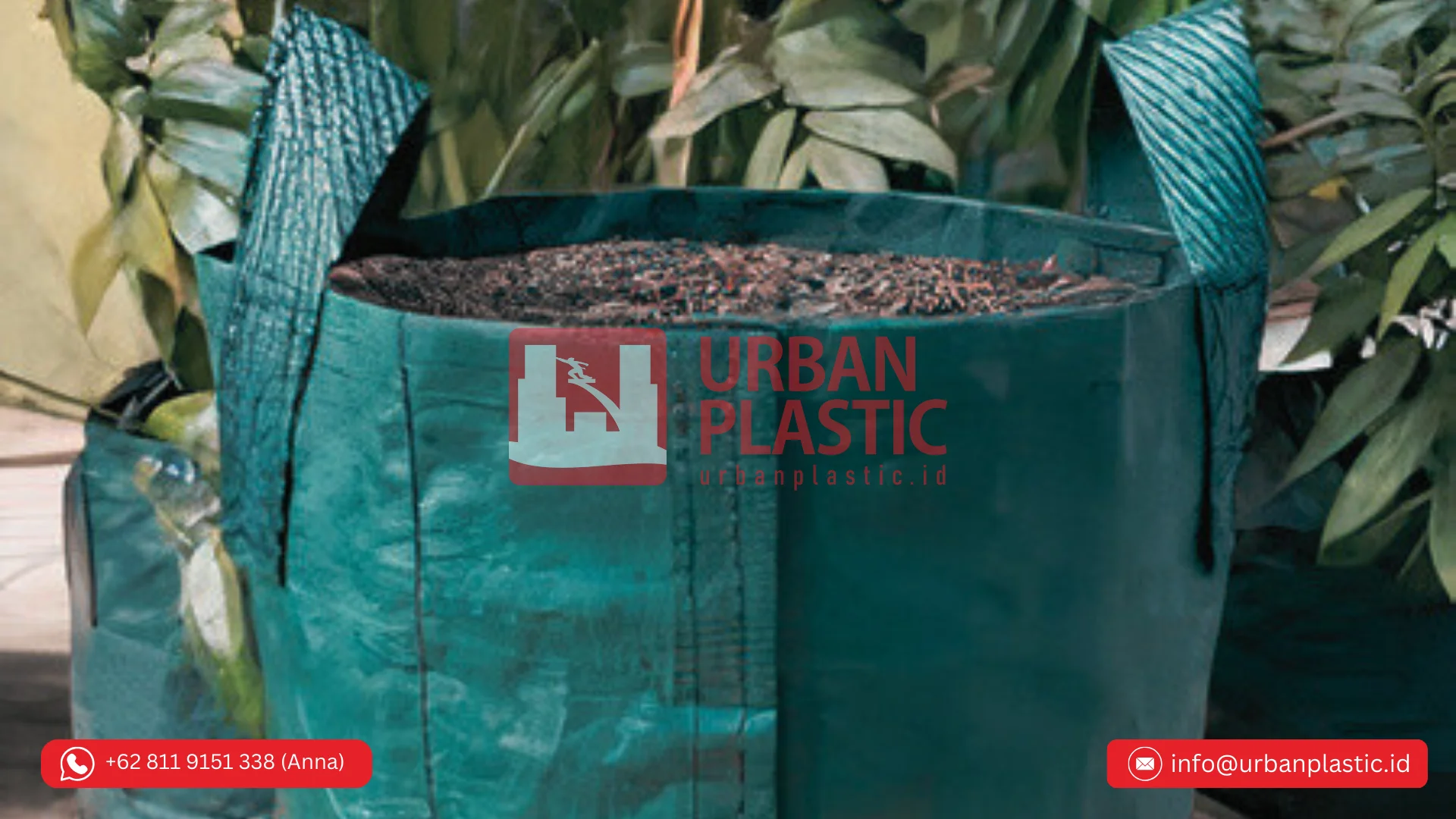
The integration of compost within breathable fabric containers creates an ideal microclimate for various plant species. These containers, often referred to as planter bags, are constructed from heavy-duty geotextile materials that allow air to reach the root zone from all sides. This process, known as air-pruning, encourages the plant to develop a dense network of fibrous feeder roots rather than a few long, spiraling roots.
The physical properties of the medium play a crucial role in this setup. High-quality compost blends ensure that nutrients remain available for an extended period, while the porous nature of the fabric ensures that excess water drains away instantly. This prevents the anaerobic conditions that lead to root rot. Furthermore, fabric containers help dissipate heat during peak summer months, keeping the root system significantly cooler than traditional plastic or ceramic pots.
Strategic Advantages of Using Planter Bags
Transitioning to fabric-based systems offers several practical advantages for both hobbyists and commercial growers. The lightweight nature of these bags makes them easy to relocate, allowing for seasonal adjustments based on sunlight patterns.
- Longevity and Durability: High-quality UV-stabilized materials ensure that the bags can withstand harsh weather conditions for multiple growing seasons.
- Superior Aeration: Constant airflow through the side walls prevents soil compaction, maintaining the structural integrity of the growing medium.
- Space Efficiency: When not in use, these containers can be folded and stored, requiring minimal space compared to rigid pots.
- Versatile Applications: These vessels are suitable for everything from deep-rooted root vegetables like carrots to sprawling fruit plants like tomatoes and berries.
Maintaining a consistent moisture level is simpler with fabric containers. Because the material “breathes,” it is nearly impossible to overwater, as the fabric allows for natural evaporation and drainage. This characteristic is particularly beneficial when dealing with sensitive crops that require precise hydration levels to thrive.
Maintenance and Long-Term Soil Health
Sustainability is a key focus in contemporary horticulture. Reusing the growing medium across different seasons is possible with proper amendment. After a harvest, the organic matter within the container can be refreshed with organic fertilizers or microbial inoculants to restore nutrient levels.
The portable nature of these bags also facilitates better pest management. By elevating the containers or moving them away from infested areas, the risk of soil-borne diseases is greatly reduced. Additionally, the ease of handling allows for more controlled experiments with different soil compositions, enabling gardeners to fine-tune the environment for specific botanical requirements.
The combination of high-quality fabric containers and nutrient-rich growbag compost represents the pinnacle of efficient container gardening. By prioritizing root health through air-pruning and superior drainage, these tools allow for the cultivation of vibrant, healthy plants in any environment. Investing in durable, breathable planters ensures a sustainable and productive garden for years to come.
For more information about Planter Bag please contact: Whatsapp/Mobile Phone: +62 811 9151 338 (Ms. Anna) or Email :info@urbanplastic.id