
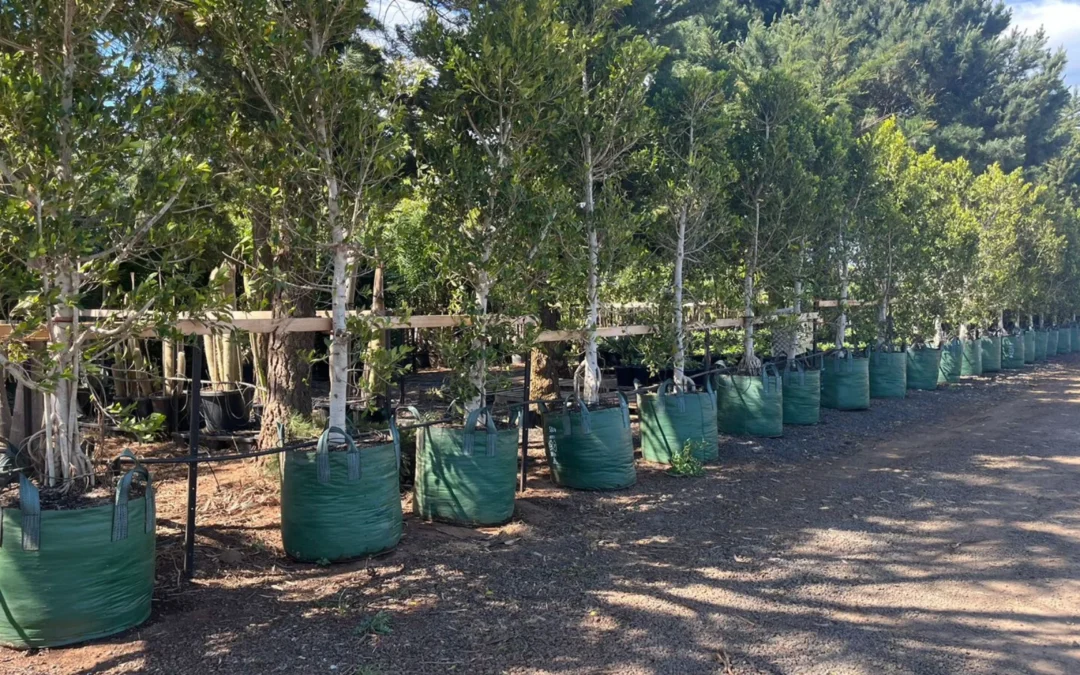
Planter bags for landscaping projects are gaining attention as cities around the world invest in greener and more sustainable urban environments. As urban land becomes increasingly limited, landscape professionals are adopting innovative planting solutions that maximize space while supporting healthy plant growth.
The trend reflects a broader shift toward sustainable urban development. Even small spaces can be utilized for planting, whether for decorative purposes or for small-scale production.
The Benefits of Planter Bags for Landscaping Projects
Modern planter bags are designed to meet the challenges of urban landscaping. Urban Plastic Planter Bags, for example, are manufactured from pure High-Density Polyethylene (HDPE), a material known for its durability and resilience.
One of their standout features is exceptional UV resistance. These planter bags can withstand more than five years of direct exposure to sunlight and rain, making them suitable for a wide range of climates. Whether used in hot regions or colder environments, they maintain their structural integrity and functionality over time.
Their lightweight design also allows easy transportation and repositioning, giving landscapers greater flexibility when designing and maintaining green spaces.
Supporting Healthier Plant Growth
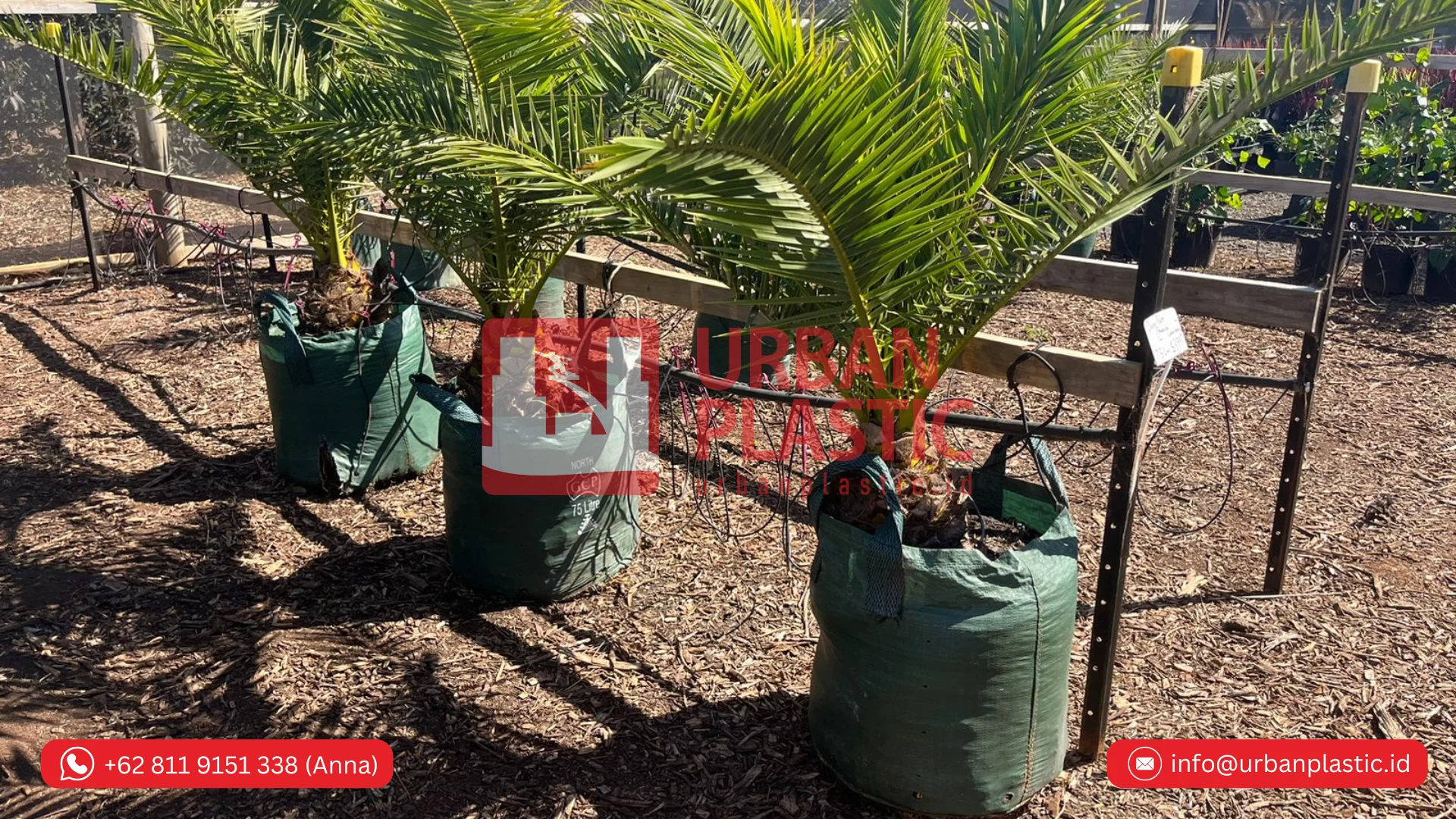
Plant health remains a critical factor in any landscaping project. A well-designed planter bag contributes to stronger plant development through effective drainage and root management.
Many planter bags promote air pruning, a natural process that occurs when roots reach the edge of a porous container and are exposed to air. Instead of circling endlessly, the roots stop growing outward and develop a denser, healthier root system inside the bag. This process often results in stronger plants and improved nutrient uptake.
Additionally, good drainage helps prevent waterlogging, reducing the risk of root rot and other moisture-related issues that can affect plant performance.
Cost Efficiency for Large-Scale Landscaping Projects
Budget considerations play a major role in landscaping decisions. One reason planter bags are gaining popularity is their ability to improve resource efficiency.
Because the root zone is contained within the bag, fertilizers are delivered directly to the plant with minimal loss to surrounding weeds or unwanted vegetation. This targeted approach helps reduce fertilizer consumption and can generate significant savings over the life of a project.
The durability of HDPE material also reduces replacement costs, making planter bags a long-term investment for both public and private landscaping initiatives.
Versatility across Different Urban Applications
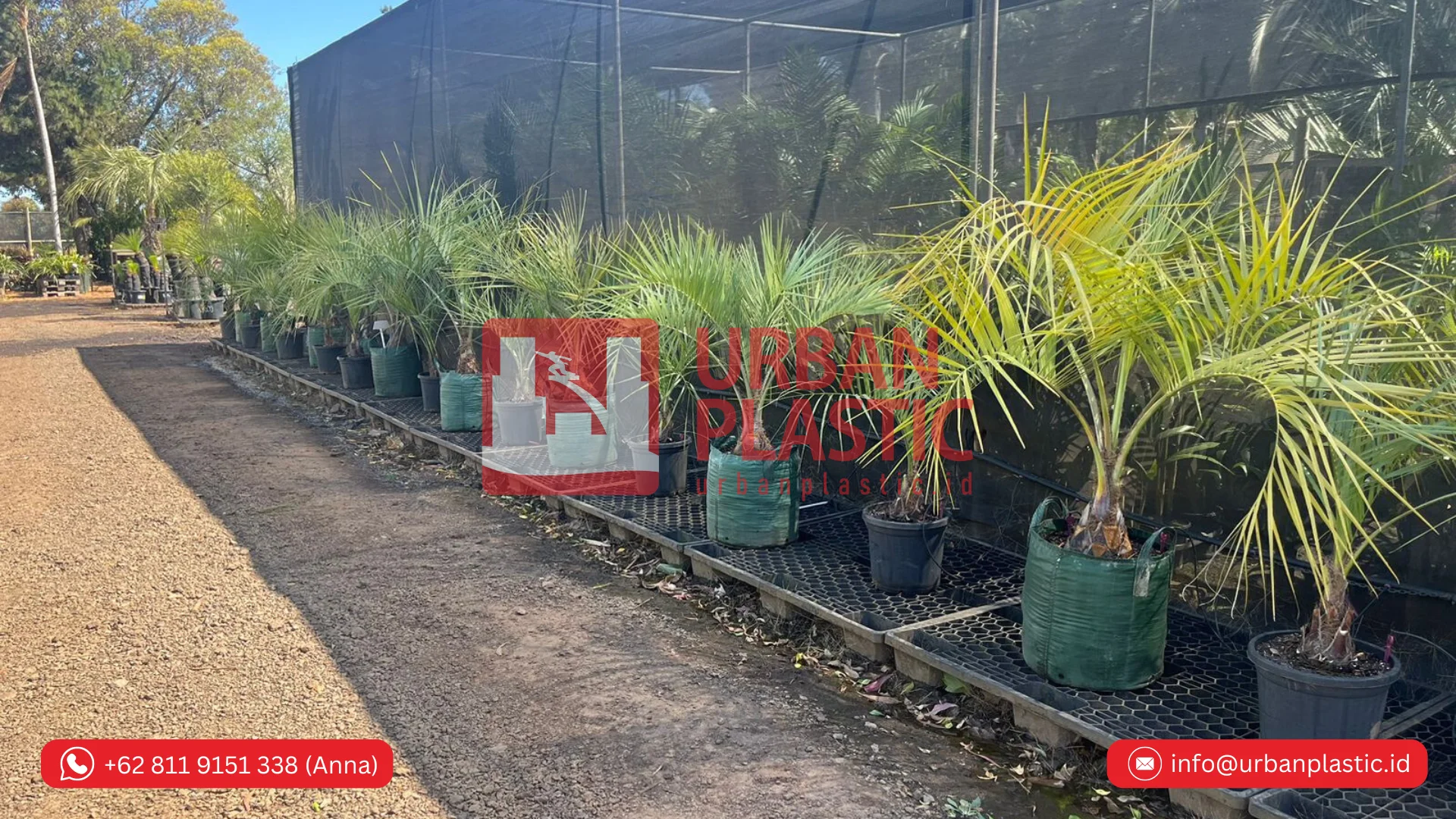
The adaptability of planter bags makes them suitable for a wide variety of planting needs. They can support vegetables, herbs, flowering plants, fruit-bearing species, ornamental shrubs, and even palm trees.
Available in sizes ranging from 3 liters to 3,000 liters, with options for custom dimensions and colors, these planter bags can be tailored to specific project requirements. This flexibility allows landscape architects and contractors to create customized green spaces that align with both functional and aesthetic goals.
As sustainable urban development continues to shape modern cities, planter bags for landscaping projects are becoming an essential tool for greener, more resilient environments. Their durability, portability, efficient drainage, and cost-saving benefits make them a practical solution for a wide range of landscaping applications. With growing demand for sustainable green infrastructure, planter bags are poised to play an increasingly important role in the future of urban greening.
For more information about Planter Bag please contact: Whatsapp/Mobile Phone: +62 811 9151 338 (Ms. Anna) or Email : info@urbanplastic.id