
Every gardener knows the feeling: you return from the local garden center with a beautiful haul of new plants, you spend the weekend planting them in your garden beds, and by Sunday evening, you are left with a towering stack of flimsy, empty plastic containers.
The accumulation of these containers is a common frustration. If you find yourself constantly asking, “What to do with plastic nursery pots?“, you are not alone. Throwing them in the trash contributes to the growing global plastic pollution crisis, but storing them indefinitely clutters your shed. Here is a comprehensive guide on how to handle, repurpose, and responsibly dispose of those leftover pots.
The Problem with Garden Plastics
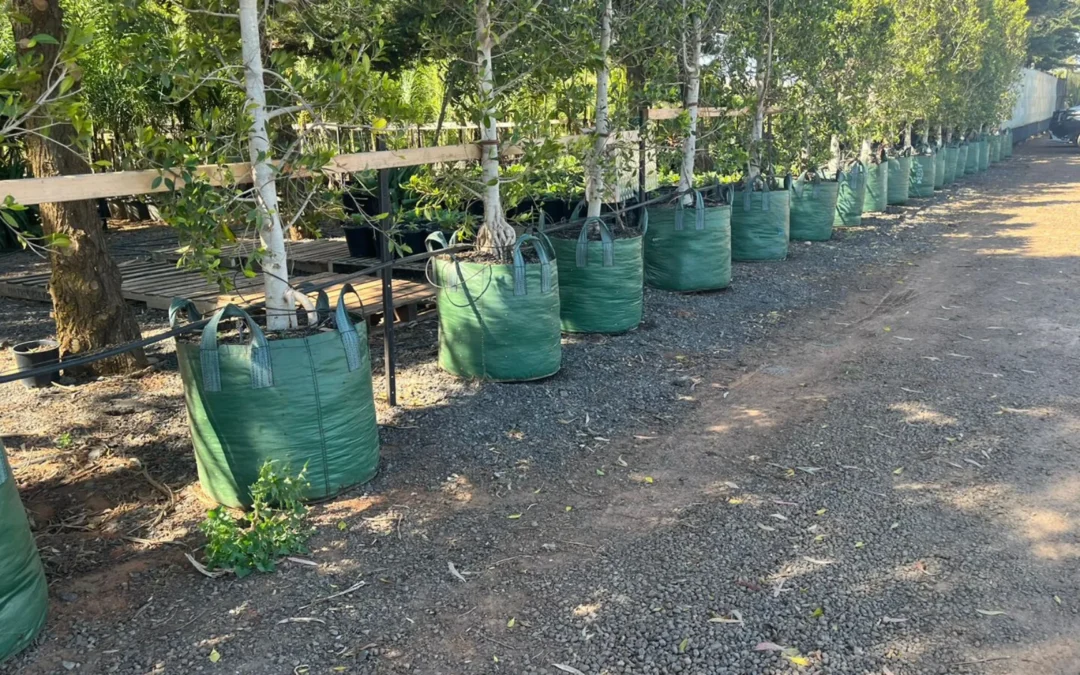
The horticulture industry relies heavily on single-use plastics for propagating and transporting plants. Unfortunately, many curbside recycling programs do not accept black nursery pots because the optical sorting machines at recycling facilities cannot detect the black carbon pigment. Consequently, millions of these pots end up in landfills every single year. As environmentally conscious gardeners, it is our responsibility to find ways to extend the life of these items or transition to sustainable alternatives like reusable woven planter bags.
Practical Ways to Reuse Old Pots
Before you even consider throwing them away, think about how you can reuse them in your own gardening projects. Here are some of the most practical ideas:
1. Start Your Own Seeds and Cuttings
The most obvious solution is to save the best-condition pots for your next propagation project. Wash them thoroughly with a mild bleach solution (one part bleach to nine parts water) to kill any lingering pathogens, fungi, or pests. Once clean, they are perfect for starting tomato seeds, rooting pothos cuttings, or dividing your overcrowded perennials to share with friends.
2. Create Drainage Fillers for Large Planters
Large decorative planters require a massive amount of potting soil, which can make them incredibly heavy and expensive to fill. You can take old, broken, or crushed plastic pots and place them upside down at the bottom of a large planter before adding soil. This takes up empty volume, saves you money on soil, drastically reduces the weight of the planter, and creates excellent drainage at the bottom.
3. Protect Tender Plants
If you have small, delicate seedlings in your garden beds that are vulnerable to late spring frosts or hungry pests like rabbits, cut the bottom out of an old nursery pot. Place the remaining plastic cylinder over the plant and press it slightly into the soil. It acts as a mini-greenhouse and a physical barrier against critters.
How to Responsibly Recycle
If you simply have too many pots and reusing them is no longer an option, do not throw them in your household recycling bin without checking local regulations first.
Retailer Take-Back Programs
Many large home improvement stores and independent garden centers have realized the scale of this waste problem. Ask your local nurseries if they have a pot recycling bin. Many establishments will gladly take them back to be sanitized and reused for their own nursery stock, closing the loop on plastic waste.
Transitioning to Better Alternatives
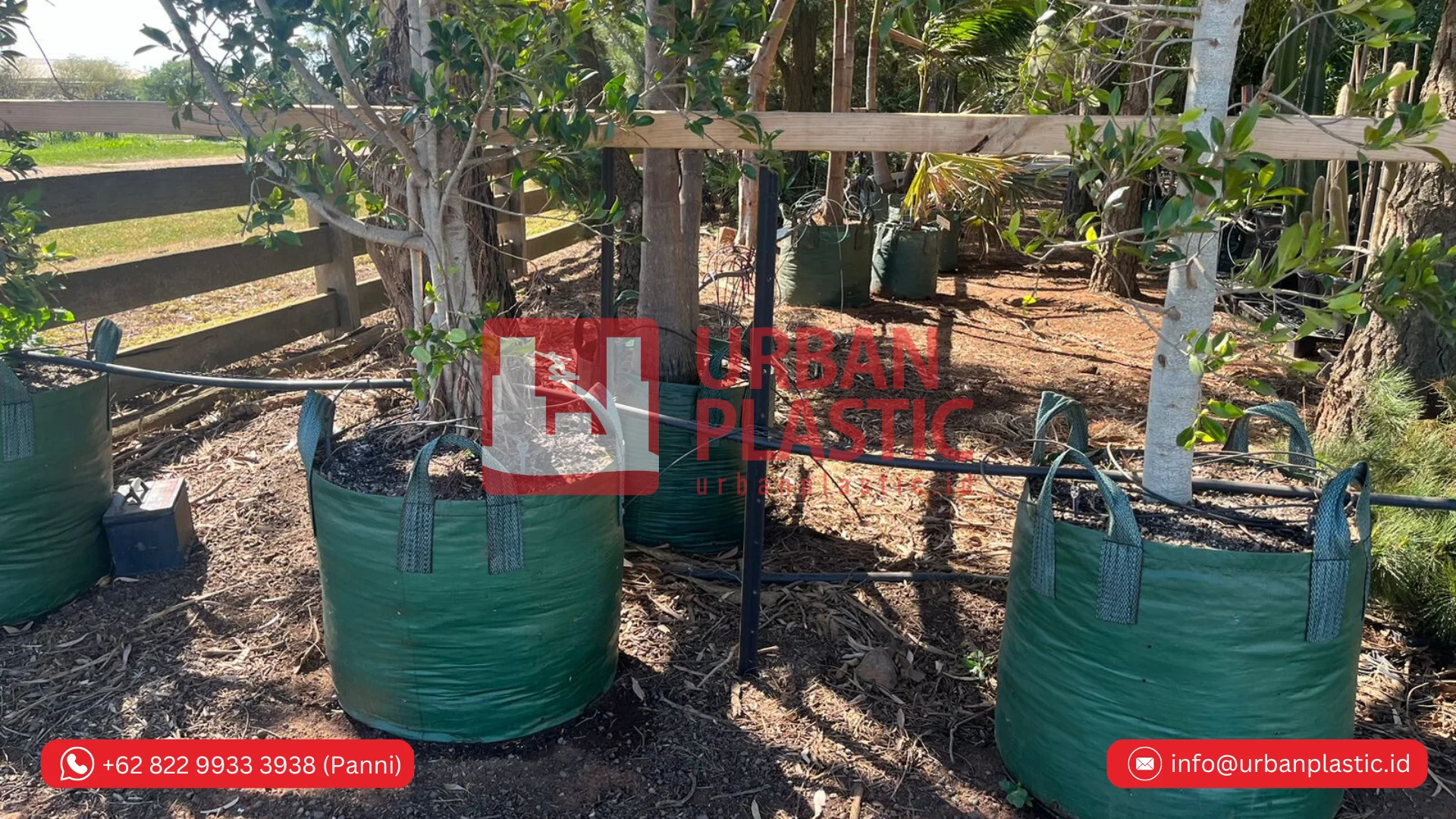
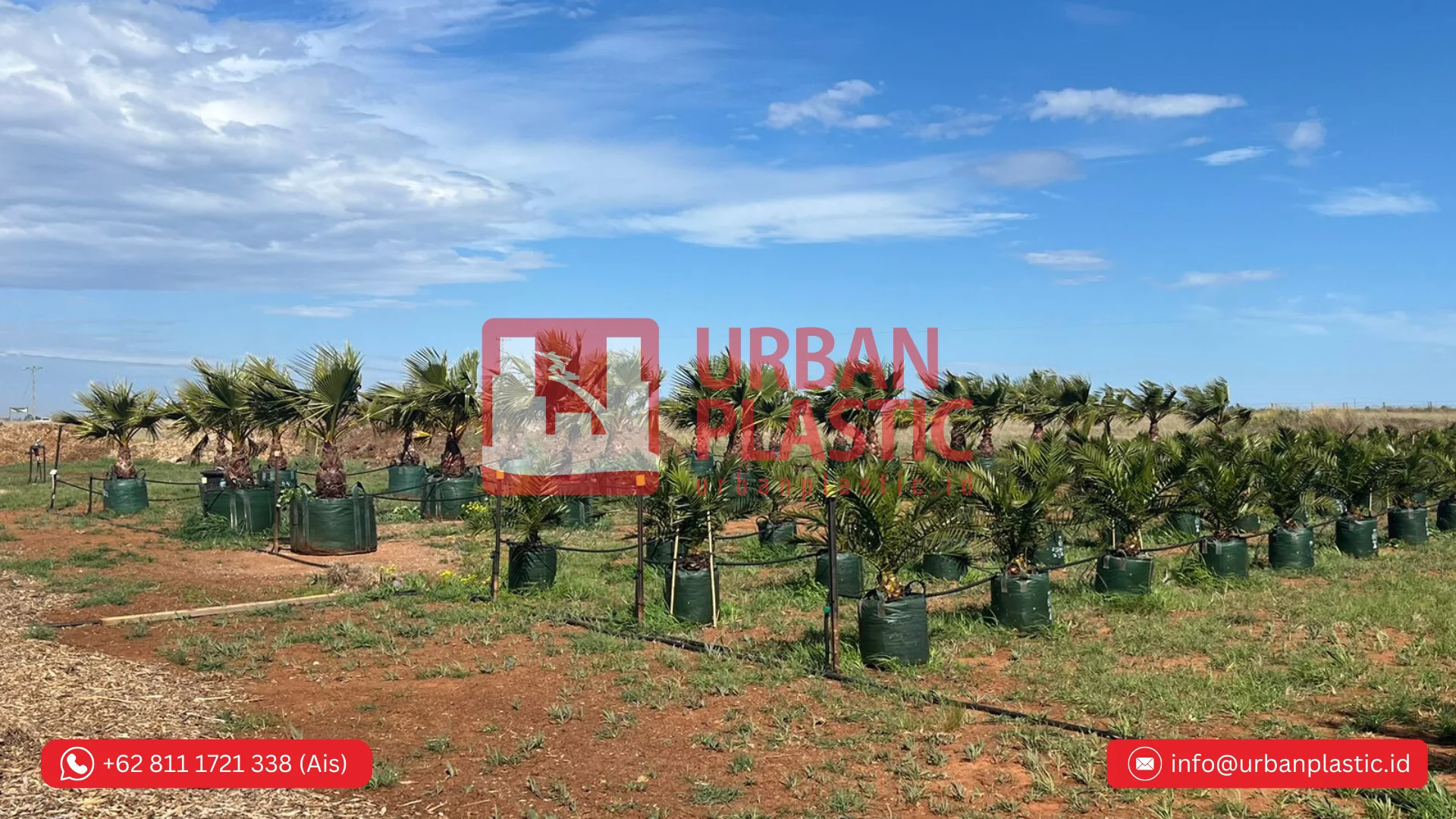
The best way to solve the plastic pot problem is to stop acquiring them in the first place. When expanding your container garden, choose durable, reusable options. At PlanterBagFactory, we champion woven planter bags that last for years, fold flat for easy storage, and provide vastly superior root health compared to rigid plastics. By making mindful choices, we can all contribute to a greener, cleaner earth.
For more information about Planter Bag please contact: Whatsapp/Mobile Phone: +62 811 9151 338 (Ms. Anna) or Email :info@urbanplastic.id