
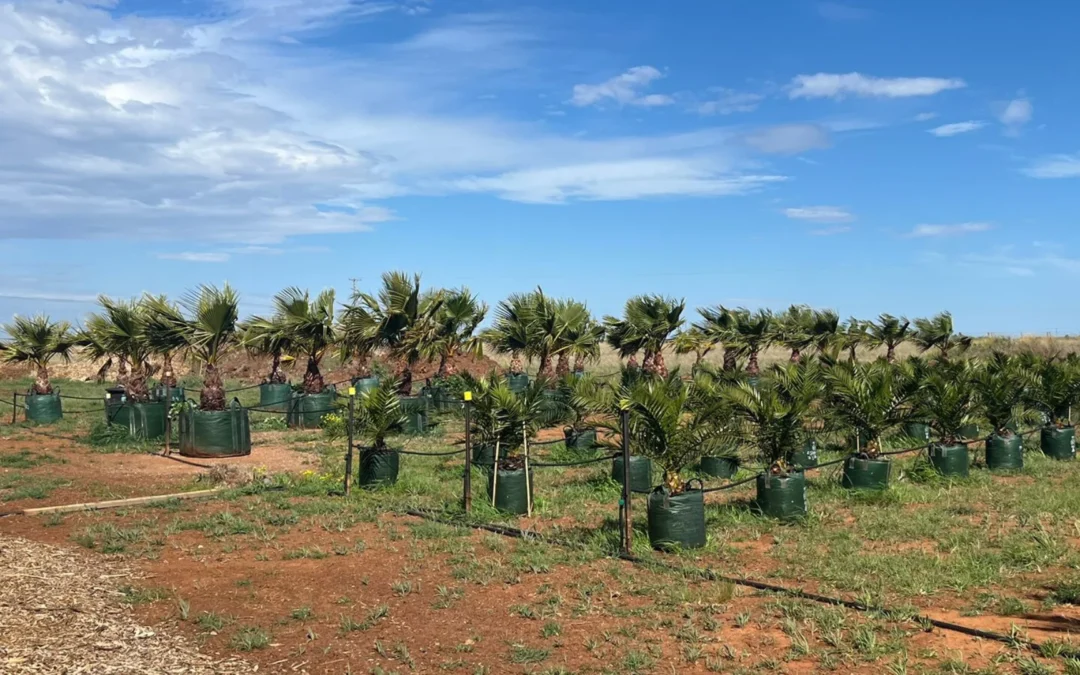
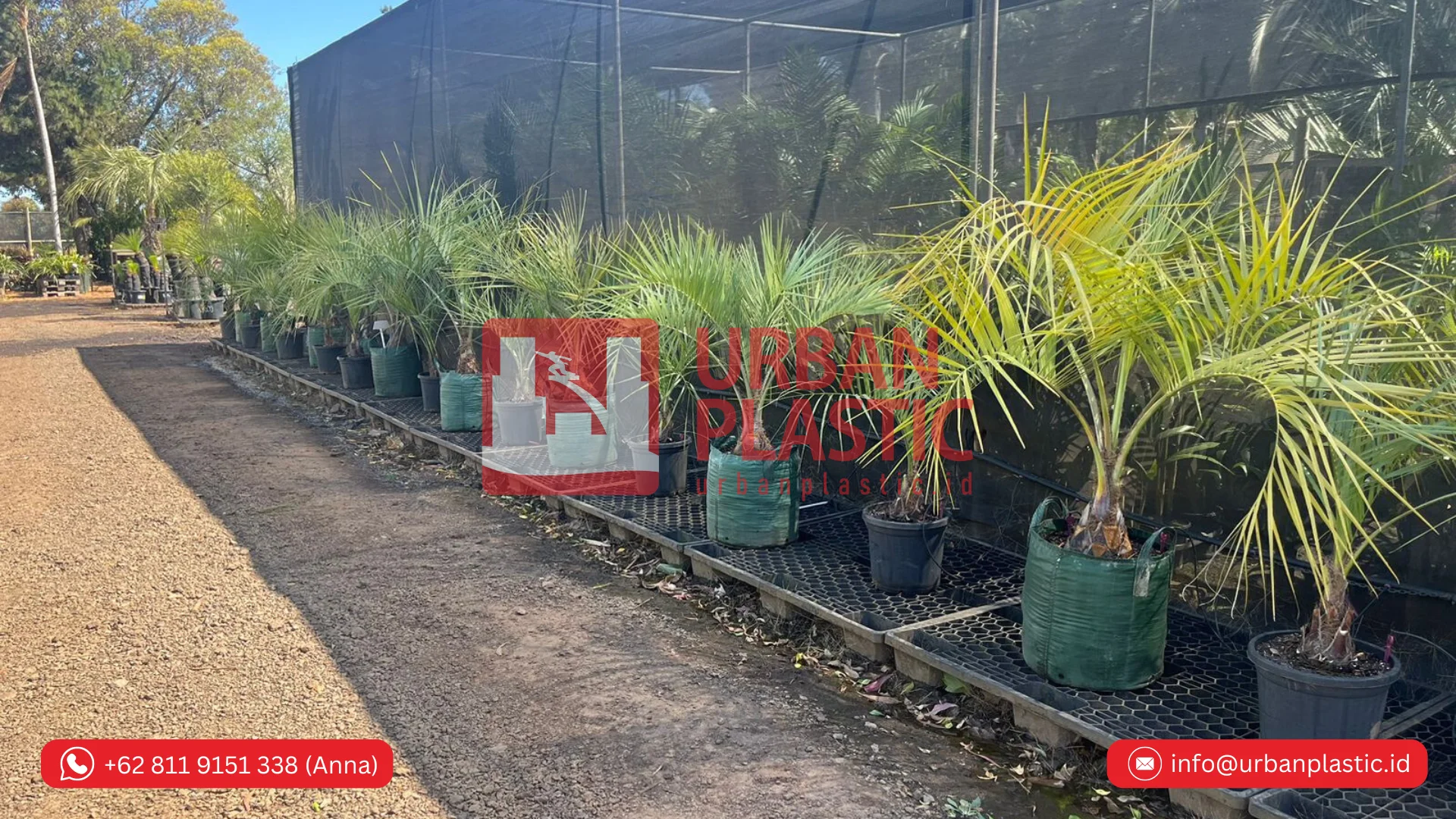
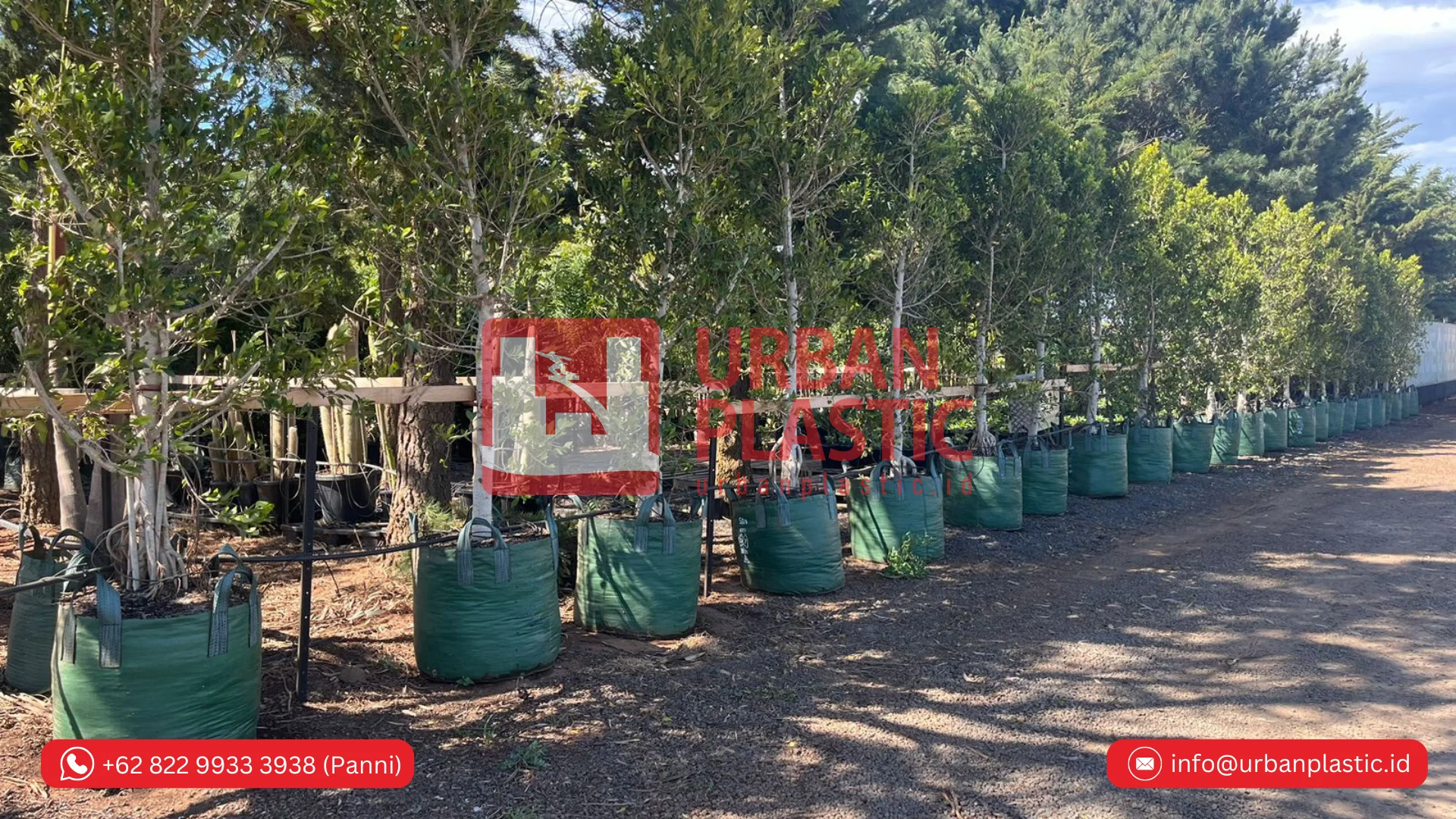
A grow bag container offers a simple and flexible way to start gardening without needing a traditional garden bed. Lightweight, portable, and designed to provide good drainage, this type of planting container works well for balconies, terraces, rooftops, patios, and small backyards. For beginners, grow bags can make it easier to manage soil, moisture, sunlight, and plant placement while keeping gardening practical and affordable.
Understanding How Grow Bag Container Work
Grow bags function as controlled growing spaces for plants. Unlike conventional pots, many are made from breathable materials that allow air to reach the root zone while excess water escapes through drainage areas. This combination helps reduce waterlogging and soil compaction, two issues that can interfere with healthy root development.
The growing medium also plays an important role. Because plants depend almost entirely on the soil placed inside the bag, gardeners should provide a mixture that balances moisture retention, drainage, aeration, and nutrients.
Choosing the Right Soil Mix
A practical soil mixture can combine 40% garden soil, 30% coco peat, and 30% organic compost or organic fertilizer. Garden soil provides structure, coco peat helps retain moisture while keeping the medium relatively porous, and compost supplies nutrients for plant development.
Coco peat becomes particularly useful during hot weather because it can help the growing medium hold moisture for longer. Meanwhile, adding well-decomposed compost or organic fertilizer regularly can replenish nutrients that gradually decline in a container.
Selecting the Right Size
The size of the container should match the plant’s root and growth requirements. Smaller bags work well for compact or shallow-rooted plants, including many herbs and leafy vegetables. Medium options provide enough space for a broader selection of crops, while larger bags are more suitable for vigorous plants that need greater root capacity.
Choosing an appropriate size also helps with water and nutrient management. A bag that is too small may restrict roots, while an unnecessarily large one can require more growing medium and occupy valuable space.
How to Plant in a Grow Bag
Start by selecting a location with sufficient sunlight. Many vegetables perform best with around six to eight hours of direct sunlight, although individual crops can have different requirements. Next, fill the bag with the prepared growing medium, leaving a few inches of space at the top for watering.
Plant seeds at their recommended depth or carefully transplant healthy seedlings. A thin layer of organic mulch, such as dry leaves or straw, can help conserve moisture and reduce weed growth. Taller vegetables and climbing plants may also need stakes, cages, or trellises for additional support.
Plants That Grow Well in Containers
A grow bag for plants can accommodate a surprisingly broad range of crops. Leafy vegetables such as spinach, lettuce, coriander, amaranth, and fenugreek are suitable choices because many have relatively shallow root systems. Medium and large bags can support tomatoes, chillies, brinjal, capsicum, and okra.
Herbs such as basil, mint, parsley, oregano, thyme, and tulsi can also grow successfully in smaller containers. Some fruiting plants can be grown in larger bags as well. Strawberries are a popular option because they can adapt to compact growing environments when provided with well-drained soil and suitable care.
Essential Maintenance Tips
Regular maintenance keeps container-grown plants productive. Watering should depend on weather conditions, plant type, and container size rather than following a rigid schedule. During hot periods, plants may need daily or even twice-daily watering, while cooler conditions generally require less frequent attention.
Organic fertilizers such as vermicompost, seaweed extract, or organic liquid fertilizer can be applied periodically. After harvesting, remove old roots, replace exhausted soil when necessary, wash the bags, and allow them to dry before storing them in a shaded location.
Learning to use a grow bag container can be an accessible first step toward creating a productive home garden. With suitable soil, adequate sunlight, proper watering, and the right container size, even limited outdoor spaces can support vegetables, herbs, and fruiting plants. For beginners seeking a practical grow bag for plants, this method combines flexibility, efficient space use, and straightforward maintenance.
For more information about Planter Bag please contact: Whatsapp/Mobile Phone: +62 822 9933 3938 (Ms. Panni) or Email : info@urbanplastic.id