
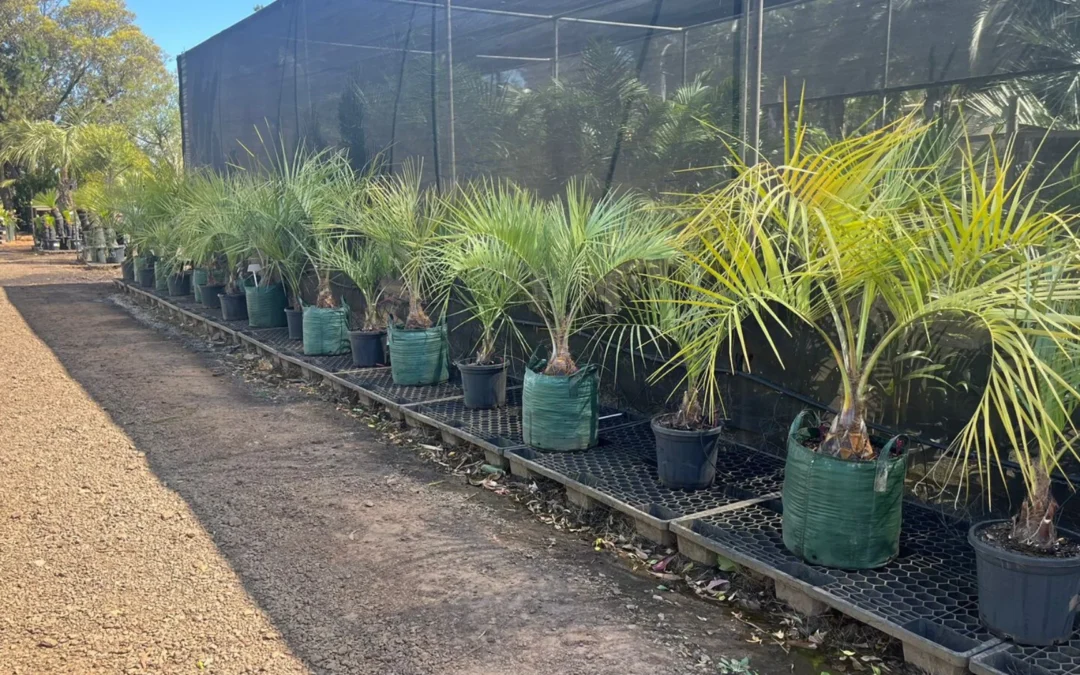
Are fabric grow bags better than plastic grow bags? This question often comes up among home gardeners and urban farmers who want healthier plants and better harvests. The answer depends largely on root health and aeration. Both types of containers offer distinct advantages for gardening needs. However, fabric grow bags are gaining popularity due to their natural air pruning, superior air circulation, better drainage, and more stable soil temperature. To help you choose the right type, here is a comparison of the two.
Are Fabric Grow Bags Better than Plastic Grow Bags?
Air pruning a natural root-pruning process is the greatest advantage of fabric grow bags. When plant roots touch the solid inner wall of a plastic container, they cannot penetrate the barrier. Consequently, the roots continue to grow in circles along the container’s edge. This leads to the plant becoming “root-bound,” making it difficult to absorb water and nutrients optimally.
Fabric grow bags solve this problem through high air circulation. As root tips approach the porous fabric wall, exposure to outside air naturally halts outward growth. The plant responds by developing a denser network of fibrous roots within the growing medium.
Air Circulation and Growing Medium Temperature Control
Oxygen flow to the root zone is crucial for preventing harmful fungal diseases. Growing media in solid plastic containers often suffer from limited air circulation. In contrast, fabric grow bags allow oxygen to flow freely through the sidewalls directly to the root zone.
Temperature regulation within the growing medium also differs significantly between these two materials. Solid plastic absorbs direct sunlight and traps heat inside the growing medium. Excessively high soil temperatures can damage delicate roots and hinder growth. Porous fabric allows excess heat to escape from all sides of the container. A natural cooling process occurs as moisture gradually evaporates through the fabric’s pores, keeping the temperature around the root zone cool and stable.
Water Drainage and the Risk of Overwatering
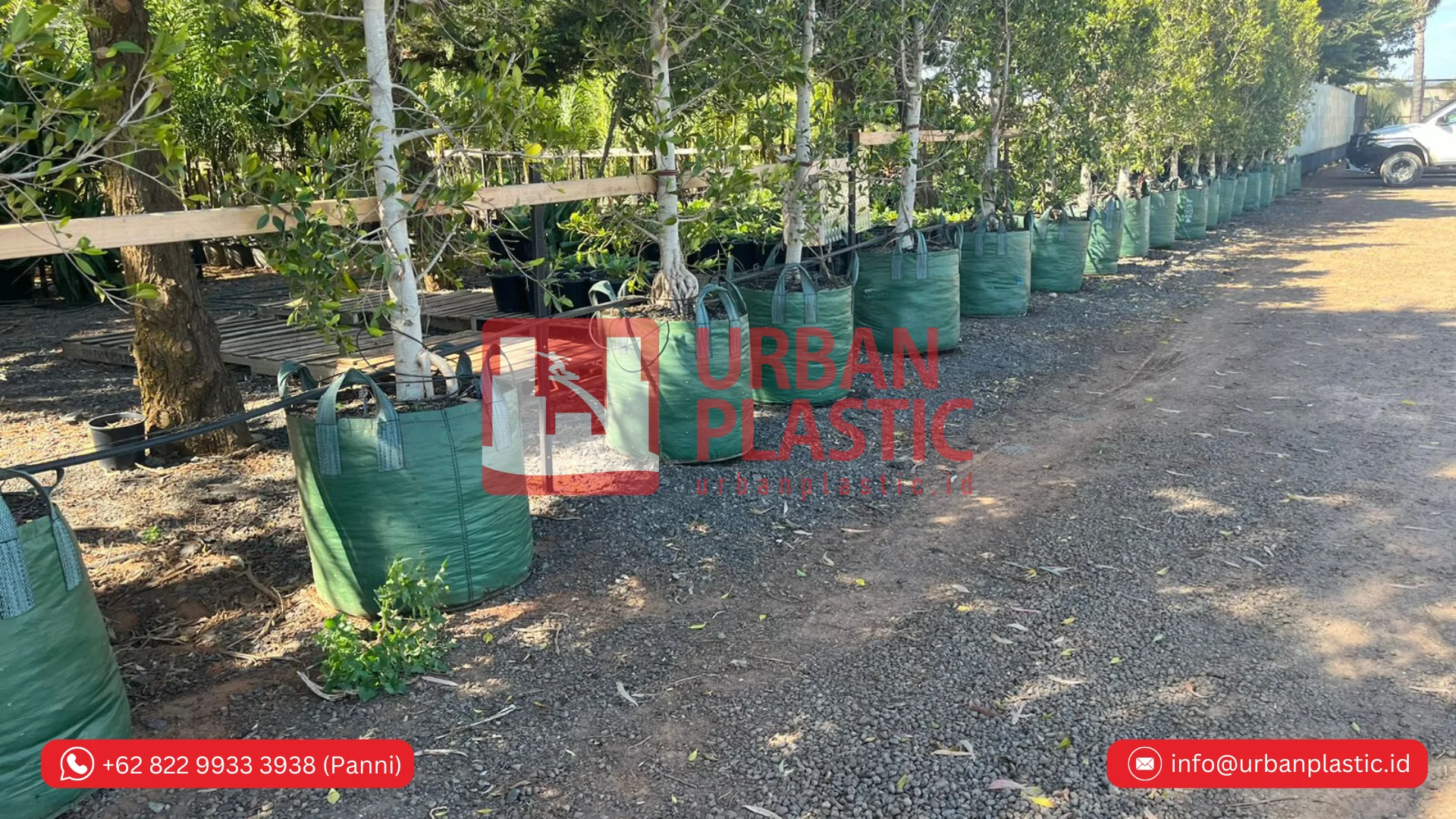
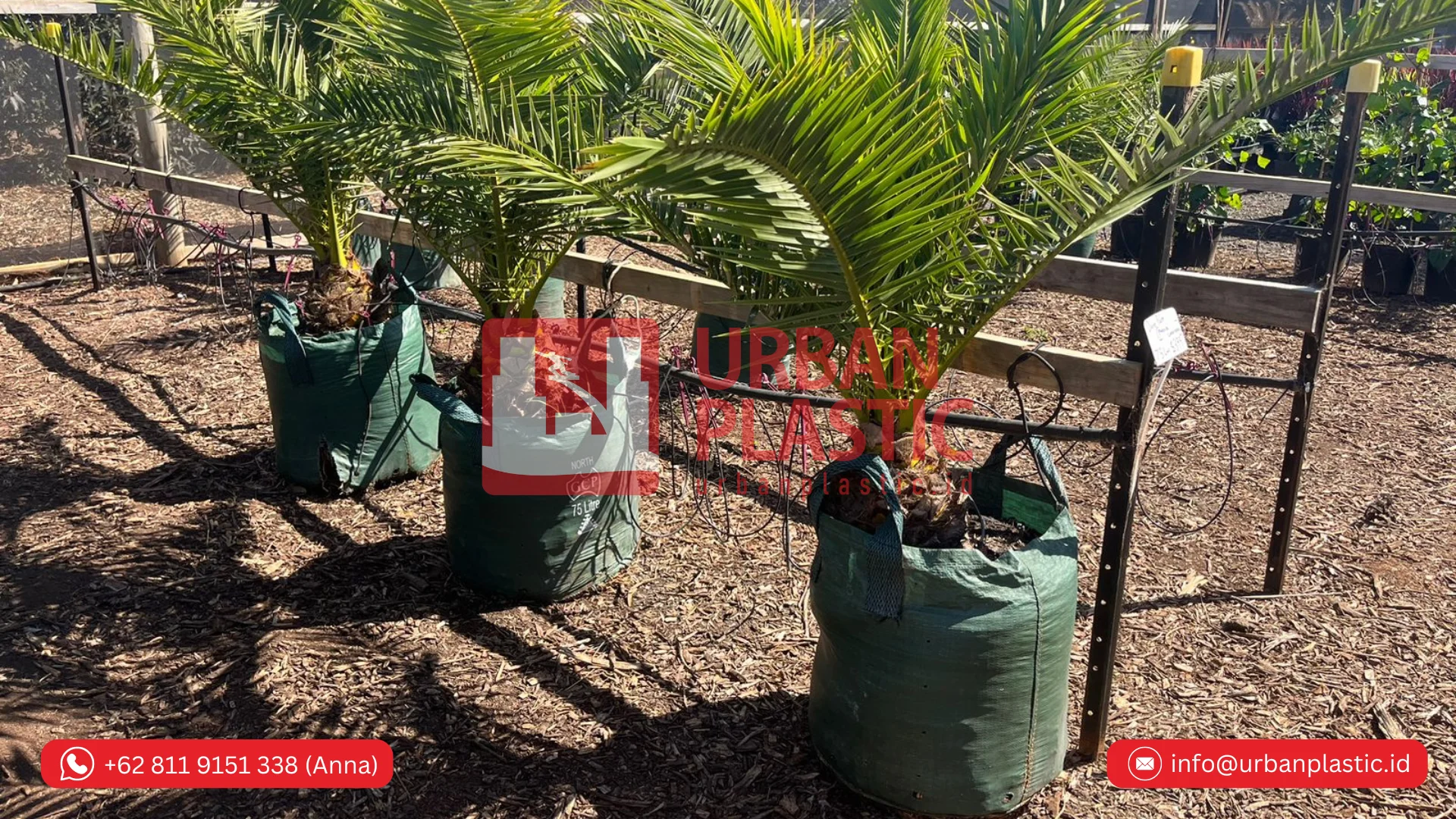
Overwatering is a primary cause of plant failure in containers. Plastic planter bags rely solely on a few small drainage holes at the very bottom; if these become clogged with soil, pooling water can lead to root rot. In contrast, fabric planter bags feature porous walls across their entire surface. Excess water can naturally seep out through the fabric pores rather than accumulating at the base. This prevents root rot and maintains an ideal balance of water and air. However, the porous fabric walls cause the soil to dry out faster. Plants in fabric planter bags may require more frequent watering, so users should adjust their watering schedules accordingly.
Durability, Storage, and Practicality
High-quality, factory-made fabric planter bags (typically made from non-woven fabric) are durable enough to last through multiple growing seasons. Sturdy handles make moving the plants very easy. Once the harvest season ends, fabric planter bags can be emptied and folded flat, making them space-efficient for storage. Reusable fabric planter bags offer an eco-friendly alternative, helping to reduce the use of single-use plastic containers.
Conclusion
So, are fabric grow bags better than plastic grow bags? For most gardeners, the answer is yes, especially if your priorities are root health, aeration, drainage, and soil temperature control. Fabric grow bags encourage air pruning, prevent root-bound plants, reduce the risk of root rot, and keep the root zone cool. However, the best choice still depends on your watering habits. If you tend to overwater or garden in a hot climate, fabric grow bags are the ideal option. If you prefer to water less often, plastic grow bags can hold moisture longer. Choosing the right grow bag fosters a strong root system and results in more vigorous plant growth. You can find quality grow bags through a trusted distributor, PT. Urban Plastik Indonesia. For more information about Planter Bag please contact: Whatsapp/Mobile Phone: +62 811 1721 338 (Ms. Ais) or Email : info@urbanplastic.id.