

It is a fair question to ask before growing food in something made of plastic. You are putting roots, water and eventually vegetables in direct contact with it, often for years.
The short answer is that the material most grow bags are made from is the same one used for yogurt pots and reusable food containers. But “are plastic grow bags safe” deserves a longer answer than that, because the material is only part of the story and a few things genuinely are worth checking before you buy.
What Grow Bags Are Actually Made Of
Despite the general label “plastic”, several different materials end up on the market under the same name.
- Non-woven polypropylene. The felt-like fabric most people picture when they think of a grow bag. Fibres are bonded rather than woven, which gives the bag its soft, breathable structure.
- Woven polypropylene. Flat ribbons woven into a mesh, then often laminated. Stronger and stiffer than non-woven, and common in larger planter bags.
- Polyethylene film bags. Solid, non-breathable plastic sheet formed into a bag. These are a different product with different behaviour, since nothing passes through the wall.
- Recycled felt. Usually made from recycled PET, the same polymer as drink bottles. Visually similar to non-woven polypropylene.
The first two dominate, which means that for most buyers the real question is a narrower one.
Are Polypropylene Grow Bags Safe?
Since non-woven and woven polypropylene dominate the market, are polypropylene grow bags safe is really the question most buyers are asking. Polypropylene is one of the better-understood plastics in everyday use, and its profile is reassuring for this application.
It carries resin identification code 5, and it is widely used for food containers, yogurt pots, reusable storage boxes, drinking straws and a great deal of medical equipment. Regulators in many countries permit it for direct food contact.
Two specific worries that come up constantly do not apply to it.
- BPA. Bisphenol A is associated with polycarbonate plastics and certain epoxy linings. Polypropylene is a different polymer and is not made with it.
- Phthalates. These are plasticisers added to make rigid plastics flexible, used mainly in soft PVC. Polypropylene is naturally flexible and does not need them.
Polypropylene is also chemically stable and poorly soluble, so it does not readily leach into water or soil at the temperatures a garden ever reaches. Its melting point sits around 160°C, far above anything a container will experience outdoors.
So as a base material, polypropylene is a sensible choice for growing food, and it is the reason the fabric grow bag became the standard it is today.
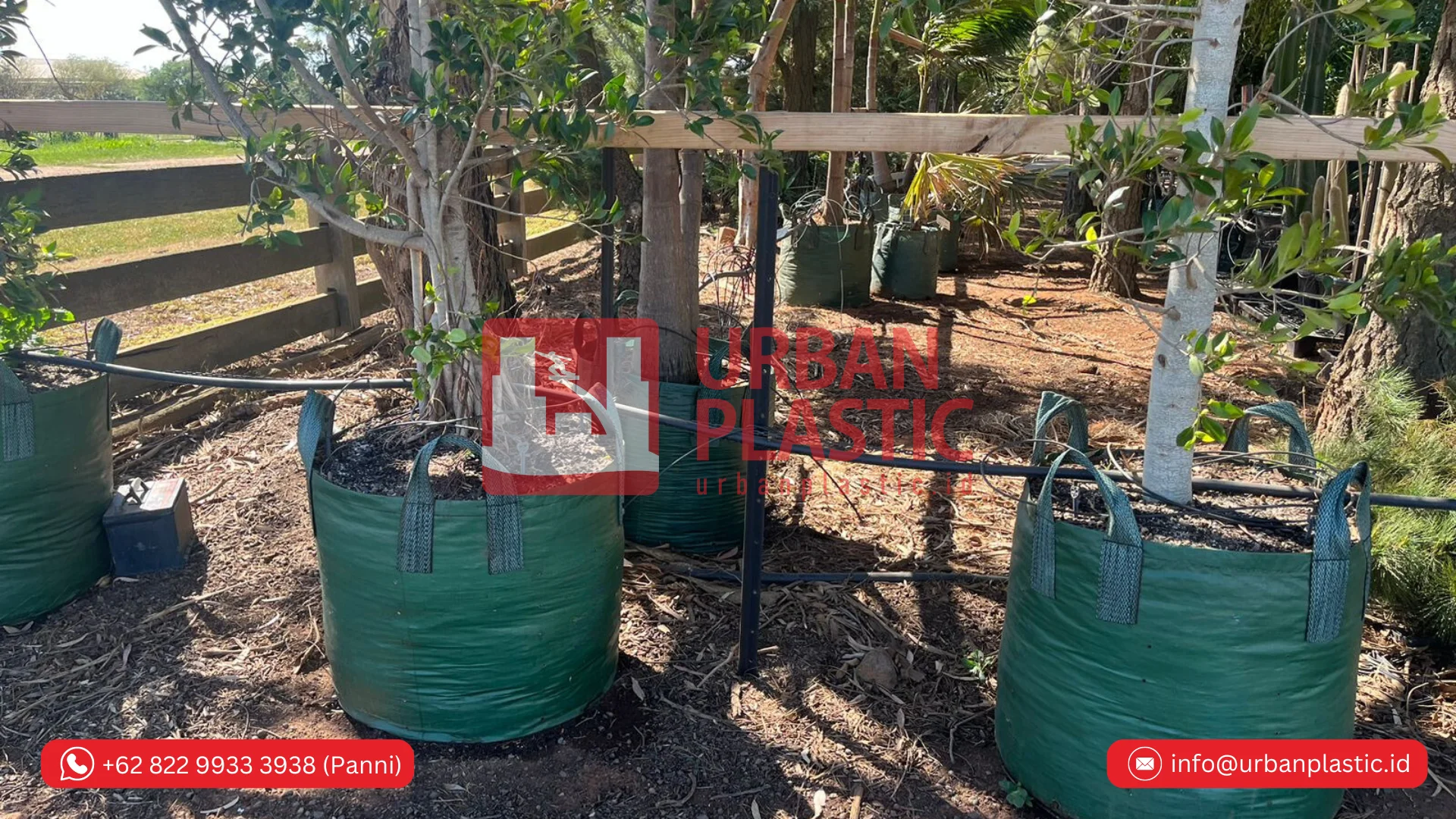
The Three Things Actually Worth Checking
When people ask are plastic grow bags safe, the material itself is rarely the problem. These three are where the real differences hide.
Recycled Content of Unknown Origin
This is the most important one, and it applies to recycled felt in particular.
Recycled fabric is made from material that had a previous life, and depending on the supply chain, that life is not always documented. The bag may be perfectly fine. The issue is that nobody can tell you what was in the feedstock.
For ornamental planting this is a minor concern. For vegetables and herbs you intend to eat, virgin polypropylene removes the uncertainty entirely, and it is worth asking the question before ordering.
Dyes and Pigments
Cheap brightly coloured bags are the ones to be careful with. Pigments vary enormously in quality, and some products aimed at the low end of the market use colourants that were never intended for horticultural use.
Black bags are usually coloured with carbon black, which is well characterised and also serves as the UV protection. Undyed natural fabric avoids the question altogether. Both are safer defaults than an unusually vivid colour at an unusually low price.
Added Treatments
Some bags are marketed with antimicrobial finishes, flame retardants or other coatings. These are additions to the base material, and they deserve a direct question about what exactly has been applied and why.
A plain, untreated polypropylene bag has fewer unknowns than one carrying a feature you did not ask for.
The Ageing Question
There is one legitimate long-term concern that has nothing to do with toxicity.
Polypropylene degrades under ultraviolet light. A bag left in full sun for several seasons becomes brittle, and brittle fabric sheds fibres into the growing medium and the soil beneath it.
This is a persistence issue rather than a poisoning one, but it is real. The practical response is straightforward: replace bags when the fabric starts to feel stiff, loses colour noticeably, or tears easily at the rim. A bag that has visibly gone brittle has reached the end of its useful life anyway.
Storing bags out of direct sun between seasons also extends how long they stay sound.
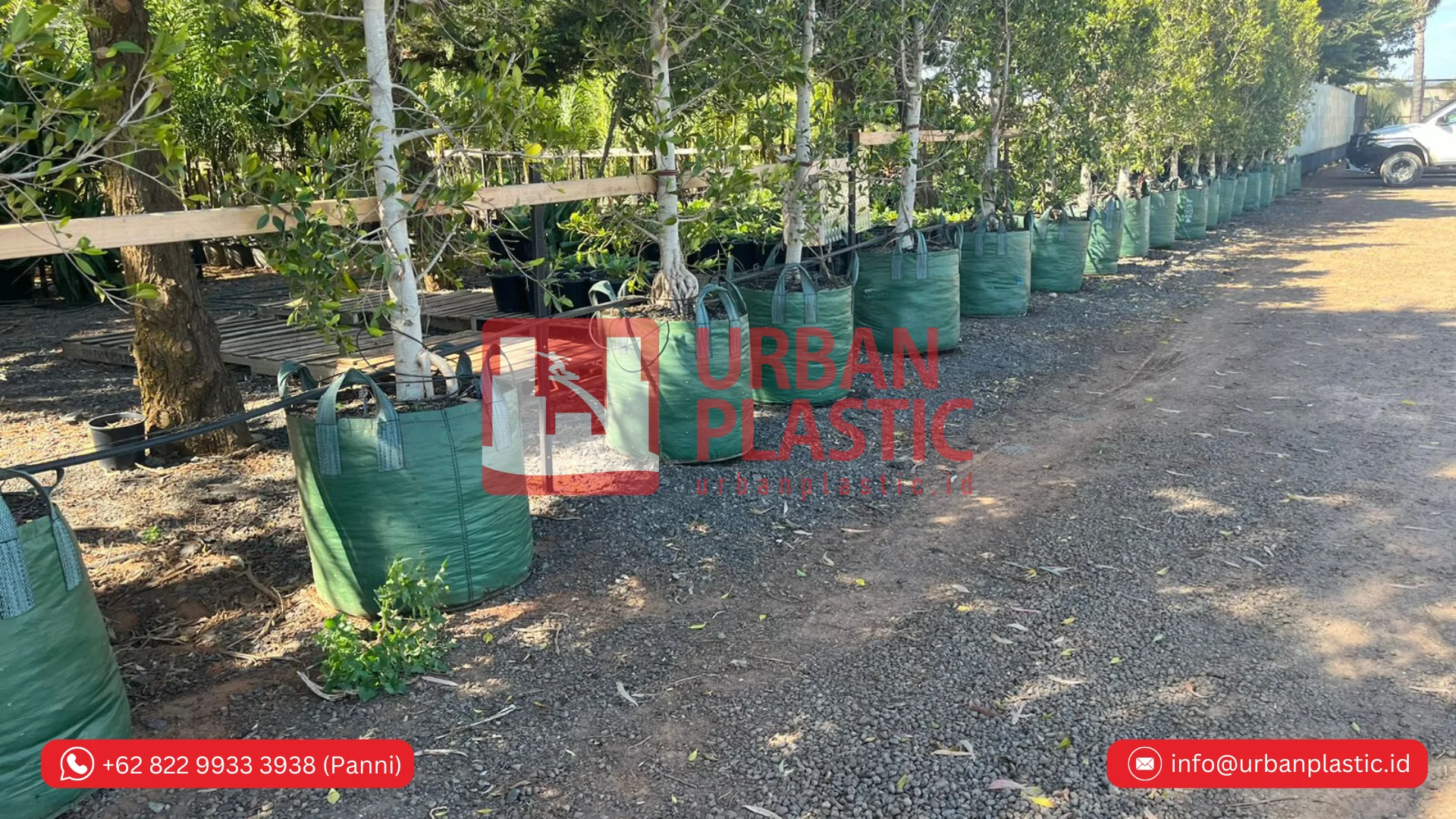
Questions Worth Asking Before You Buy
Four questions settle whether polypropylene grow bags are safe for your particular use, and any serious supplier answers them without hesitation.
Is the fabric virgin or recycled, and if recycled, from what source. What pigment gives the colour. Have any coatings or treatments been applied. And is the material suitable for food crops.
A supplier who answers all four clearly tells you more than one who prints “eco-friendly” on the label.
A Reasonable Material, With a Few Things to Confirm
So, are plastic grow bags safe for plants, and are polypropylene grow bags safe in particular? For the fabric that makes up most of the market, the material itself is a well-understood, food-contact plastic with no BPA and no phthalates, and it does not meaningfully leach under garden conditions.
The variation that matters is not between plastic and no plastic. It is between a bag made from known virgin material with a sensible pigment and no mystery coatings, and a bargain bag with none of that disclosed.
Buy on those answers rather than on the word “safe” in a product description, replace bags once the fabric turns brittle, and the material will not be the weak link in your growing setup.
For more information about Planter Bag please contact: Whatsapp/Mobile Phone: +62 822 9933 3938 (Ms. Panni) or Email : info@urbanplastic.id