
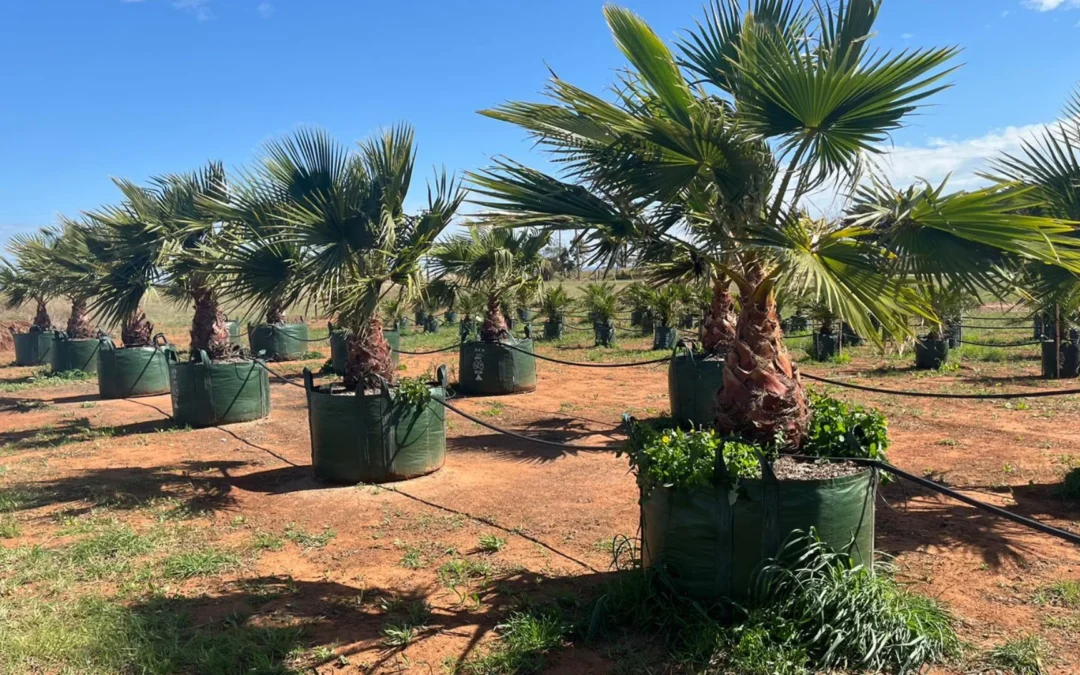
Choosing the right plastic nursery bag for plants matters more than most gardeners realize. The right container gives roots room to stretch and keeps seedlings healthy during early growth. Plastic nursery bags come in various sizes and types to match different plant needs. Small bags suit seedlings, tall designs help deep-rooting trees, and standard shapes work for vegetables. Matching container dimensions to root systems supports healthier growth and better results.
Common Plastic Nursery Bag Sizes
Standard plastic nursery bags come in several size ranges. Small bags measuring around 4×6 inches work well for germinating seeds. Medium options like 8×12 or 10×14 inches suit young saplings. Larger sizes from 12×18 up to 16×24 inches accommodate bigger trees requiring extensive root space. Volume-based measurements also exist, ranging from one liter to over forty-five gallons.
Tall Bags for Deep-Rooting Plants
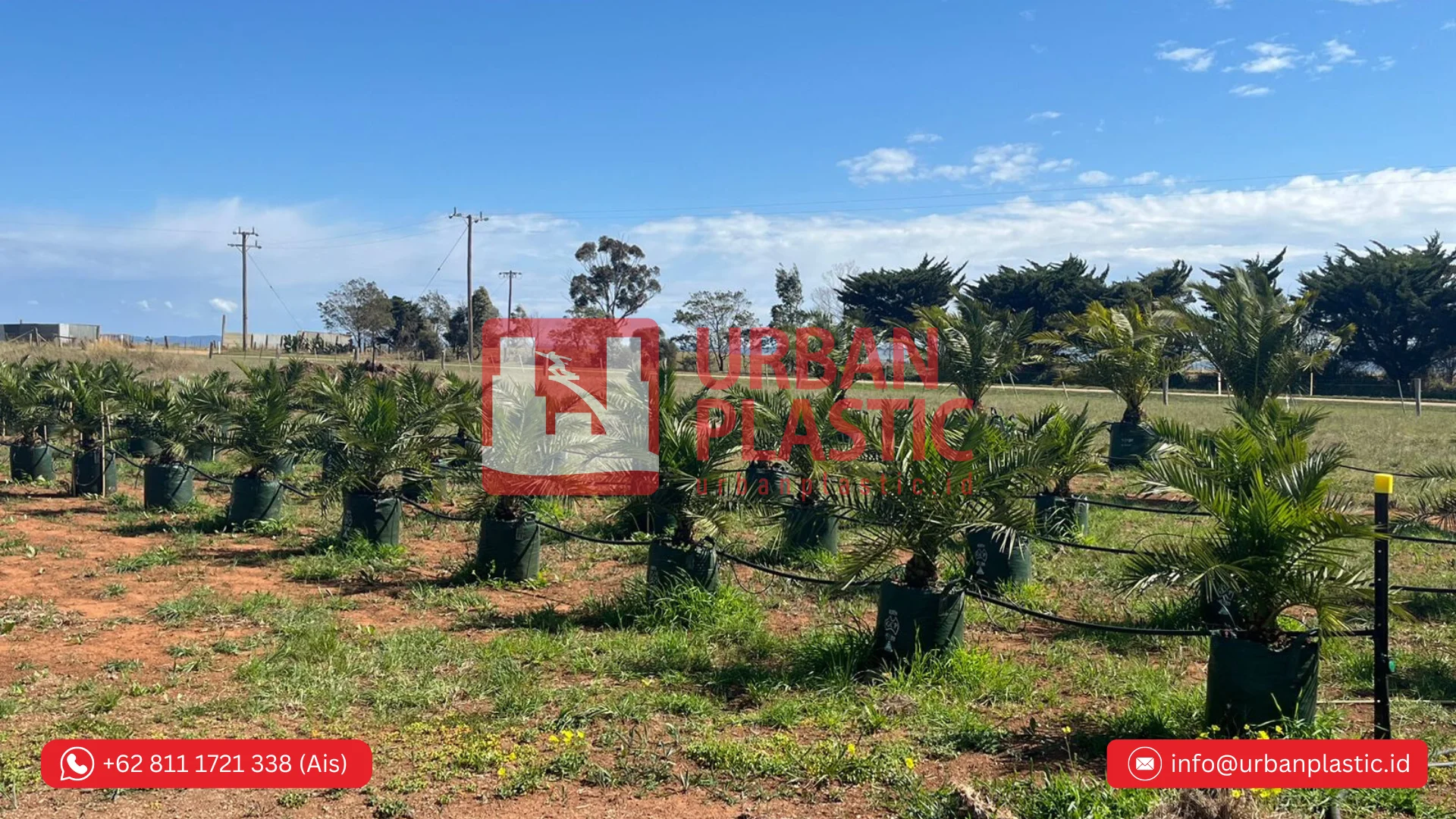
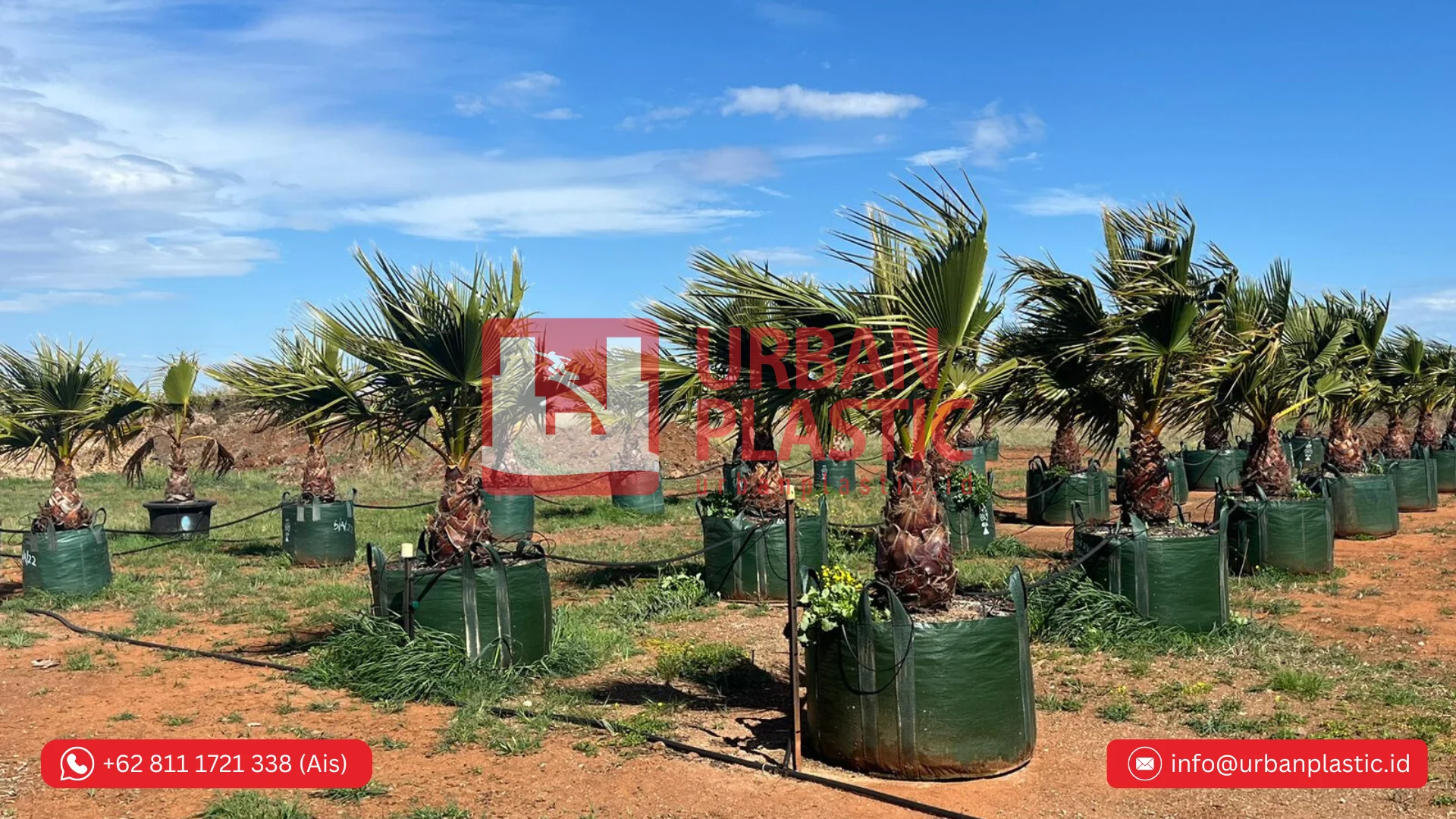
Certain species develop long central roots that demand vertical depth. Date palms, avocados, walnuts, and citrus trees fall into this category. Tall planter bags feature slim profiles with extended heights. For example, a twenty-liter tall option measures roughly twenty-five centimeters across and thirty-eight centimeters high. This shape prevents the J-rooting problem seen in shallow pots.
Standard Bags for Vegetables and Flowers
Most vegetables and flowering plants prefer balanced proportions. Tomatoes, peppers, and leafy greens grow well in standard round bags. These containers typically range from ten to fifty liters in volume. Leafy vegetables like lettuce and spinach perform nicely in smaller sizes around nine to eighteen inches. Creeper vegetables such as cucumbers need slightly wider bags to spread their roots comfortably.
Specialty Types for Specific Needs
Several specialized plastic nursery bags exist beyond basic designs. Zipper and velcro variants allow easy plant removal without damaging roots. Top flap bags prevent weed growth while conserving moisture during dry spells. Colored line options help nurseries track plant progress visually. Each type serves a particular purpose, making garden work more efficient.
Standard and Tall Bags Comparison
Standard plastic nursery bags are wider and shorter, making them suitable for vegetables, flowers, and shrubs. Their shape supports lateral root growth and works well when placed on the ground. Tall plastic nursery bags are slimmer and deeper, making them ideal for palms and taproot trees. They encourage downward root growth and fit well in narrow spaces, such as balconies and patios. Both types are available in various sizes to suit different plant growth stages.
How to Match Bag Size to Plant Type
Seedlings start in small containers before moving to larger ones. A common progression goes from four-by-six-inch bags to eight-by-twelve-inch options. Fruit trees eventually need containers holding forty-five liters or more. Blueberries and similar shrubs do well in seven to ten-gallon sizes.
Tips for Using Nursery Bags
Proper drainage holes prevent waterlogged soil and root rot. Placing bags on raised surfaces improves airflow underneath. Black bags absorb heat, which benefits tropical species but may stress cool-weather plants. Moving containers to shaded areas during extreme heat protects sensitive roots. Reusing bags after cleaning saves money and reduces waste.
Choosing the right plastic nursery bags for plants directly affects plant survival and growth. Small sizes suit seedlings while tall designs serve deep-rooting trees. Standard shapes work for most vegetables and flowers. Material thickness and drainage features also affect performance. Matching container dimensions to root habits gives plants the best possible start. Gardeners who understand these differences achieve healthier results with less effort. For more information about Planter Bag please contact: Whatsapp/Mobile Phone: +62 822 9933 3938 (Ms. Panni) or Email : info@urbanplastic.id