
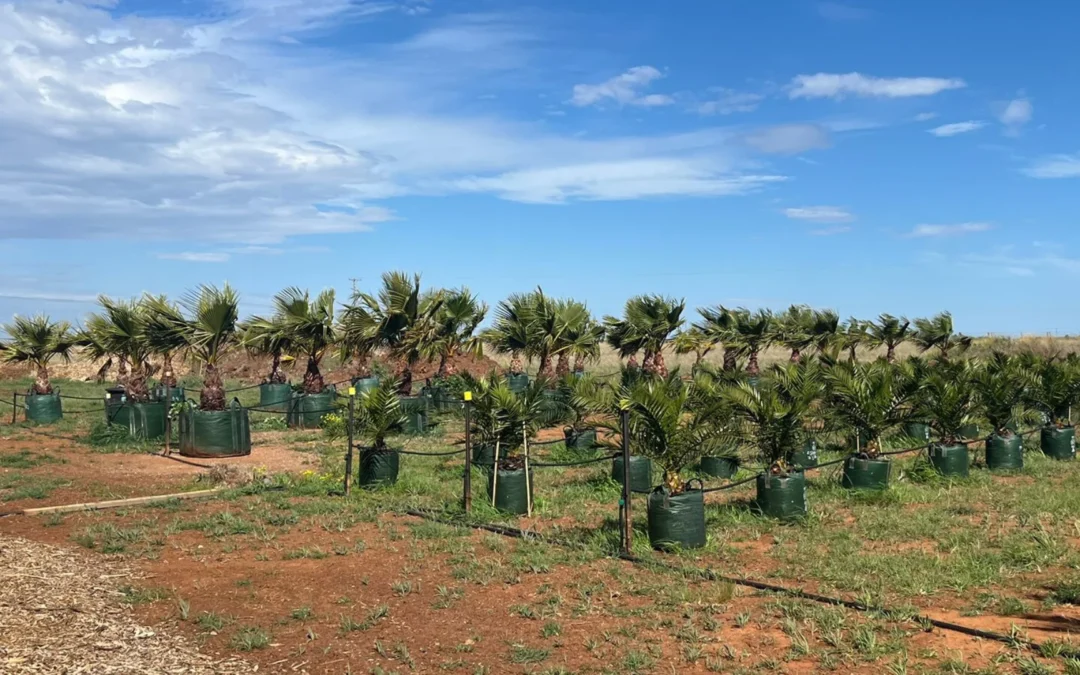
Tree planter bags offer a practical planting solution to support tree growth across various environments. Compared to conventional pots, fabric containers provide excellent air circulation and help regulate the moisture levels of the growing medium. Using fabric grow bag for trees also makes it easier to relocate plants as needed. By selecting the appropriate material, size, and capacity, these containers can foster healthy root development while enhancing flexibility in plant management.
Advantages of Tree Planter Bags for Tree Growth
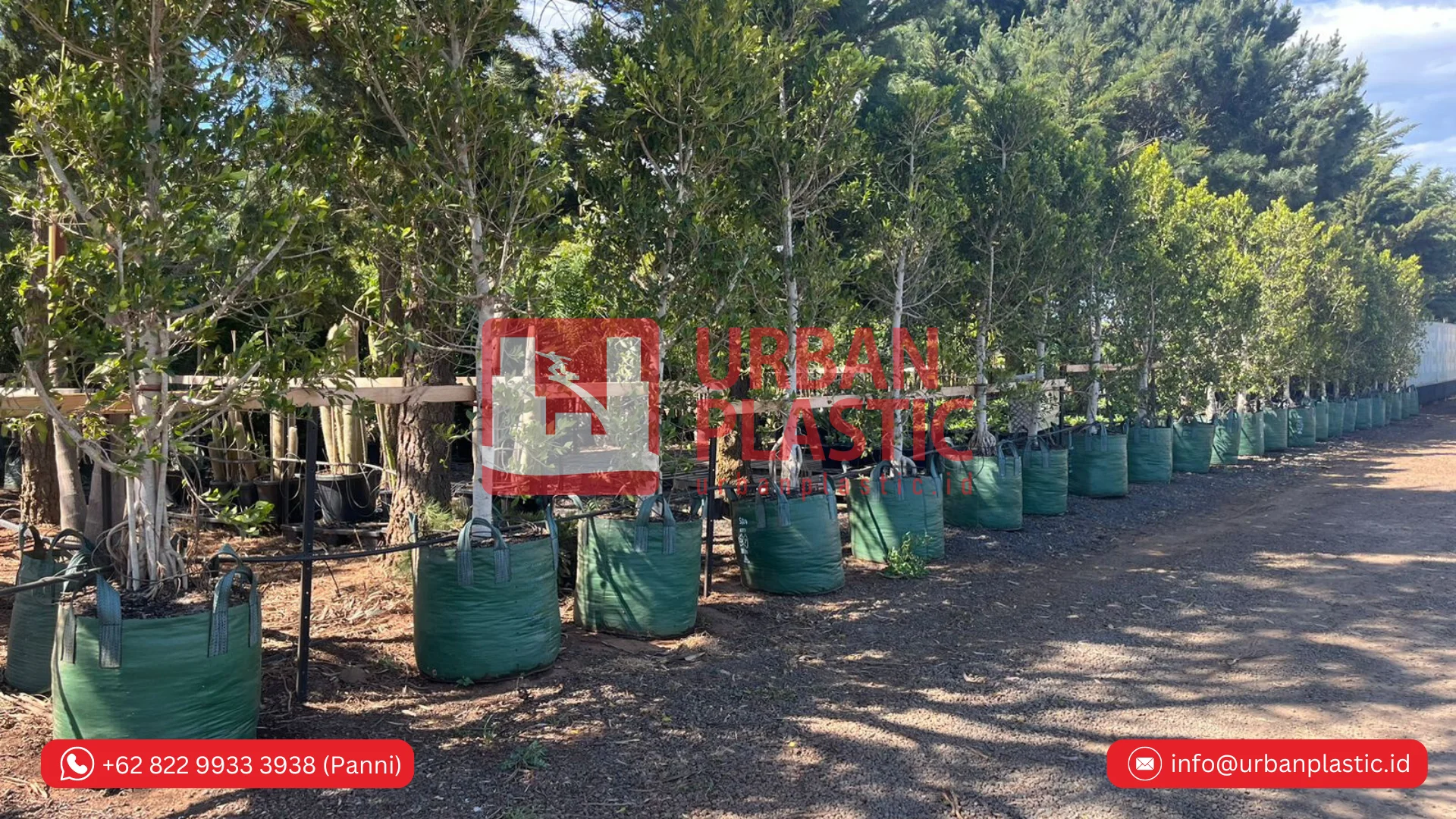
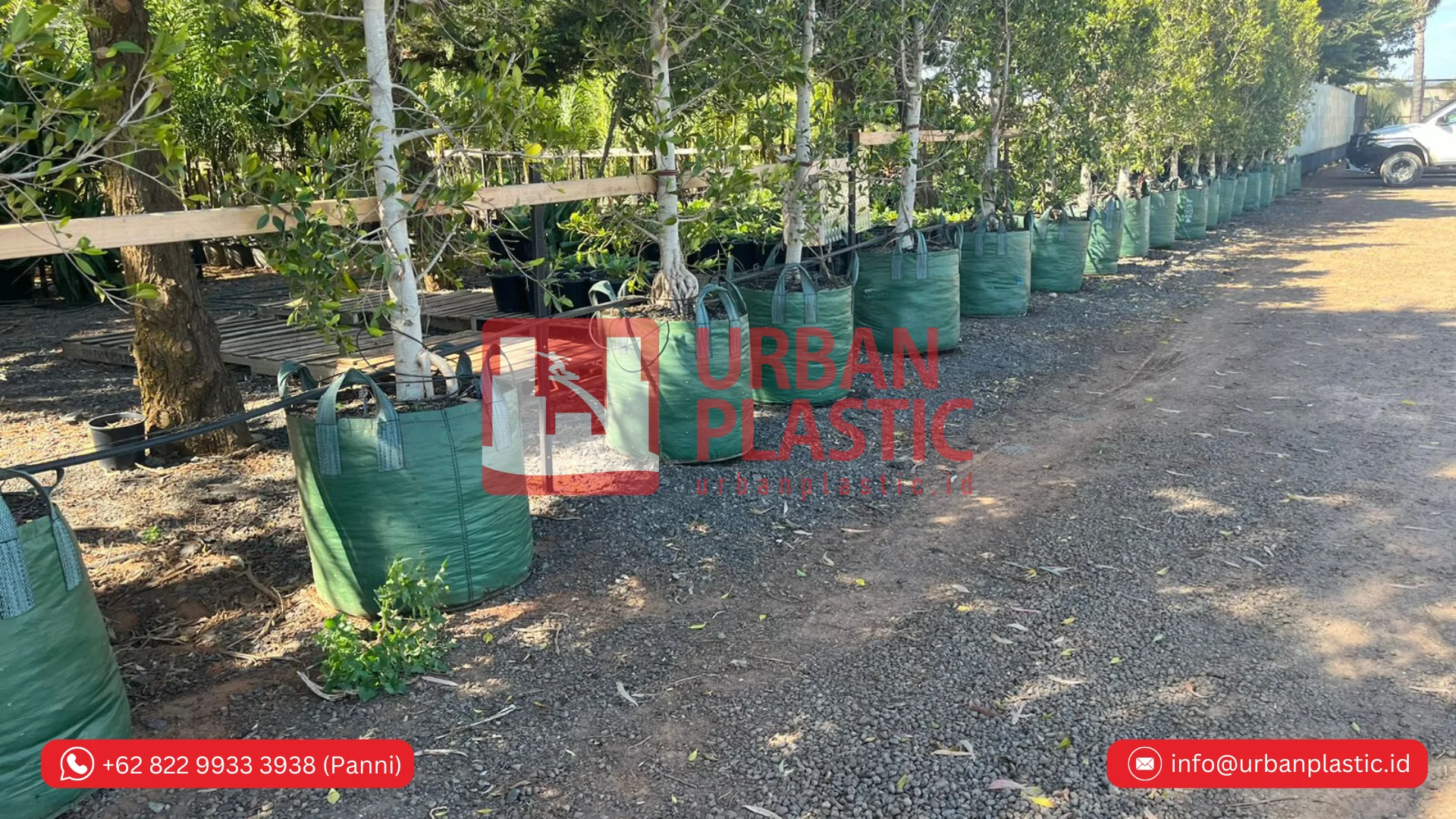
Tree bags are designed to hold growing medium while providing space for roots to develop. The fabric material used is generally porous, allowing air to reach the root zone. This circulation supports healthy root growth, provided that moisture levels and the condition of the growing medium are properly maintained. Additionally, fabric containers facilitate the drainage of excess water. This characteristic helps reduce the risk of the growing medium becoming waterlogged, particularly during periods of heavy rainfall. However, watering frequency still needs to be adjusted based on the plant species, container size, and weather conditions. Another advantage lies in their versatility. Tree bags can be used in home gardens, nurseries, and commercial orchards, as well as for temporary greening projects. Their relatively light weight when empty also makes storage and transport easy.
Fabric Grow Bag for Trees and Their Effect on Roots
When selecting fabric grow bag for trees, it is important to consider the space required for root growth. A container that is too small can restrict root development, whereas an appropriately sized one provides ample room for the plant to grow. A key characteristic of fabric containers is the process of air pruning. When root tips reach the porous sides of the container, exposure to air halts their growth. Under the right conditions, this stimulates the formation of lateral roots. However, the outcome depends on the plant species, the material characteristics, and maintenance conditions. Container size should also be matched to the tree’s age and type. Young seedlings generally require smaller containers than more mature plants. As the tree grows, transplanting it into a larger-capacity container can help provide additional space for the root system.
Selecting Materials and Sizes for Tree Bags
Material quality affects the durability of tree planter bags during outdoor use. A high-quality container must be strong enough to support the weight of the growing medium, water, and the plant itself. It is also important to inspect the stitching and handles to ensure they do not fail when the container is moved. Resistance to sunlight is a crucial consideration in tropical regions. Long-term exposure to ultraviolet (UV) radiation can accelerate the degradation of certain types of fabric. Therefore, materials specifically designed for outdoor use are more suitable for long-term nursery operations or planting. In addition to the material, the container’s capacity should match the plant’s requirements. Trees with extensive root systems need ample space. Also, ensure the container’s base allows for effective drainage to prevent water from pooling and compromising root health.
Use of Tree Bags Across Various Sectors
Tree planter bags support nursery operations for landscaping, plantation, and greening projects. Container-based cultivation facilitates the grouping of plants by species, size, and growth stage. In the commercial sector, these containers help nursery managers organize seedlings before they are transplanted to permanent locations. The system also offers flexibility when nursery layouts need to be adjusted. For greening projects, fabric containers aid in seedling management during the preparation phase. However, transplanting into the ground still requires careful planning. Factors such as tree species, soil conditions, water requirements, and planting timing must be considered to ensure successful plant adaptation.
Urban Plastic Factory for Agricultural Material Needs
Selecting the right materials is crucial for supporting agricultural and greening activities. Beyond choosing planting containers, project managers must also consider supporting materials that facilitate land management and the protection of planting areas. Urban Plastic Factory serves as a valuable resource for information on various plastic-based materials for industrial and project needs. Product selection should align with the intended function, environmental conditions, and required technical specifications. Proper material planning leads to more organized and efficient nursery management. Tree planter bags offer flexibility in tree cultivation and maintenance, particularly due to their superior air circulation and drainage properties. When selecting fabric grow bag for trees, factors such as plant size, material strength, and weather resistance should be taken into account. Appropriate care also helps maintain root health throughout the growth period. For more information about Planter Bag please contact: Whatsapp/Mobile Phone: +62 811 1721 338 (Ms. Ais) or Email : info@urbanplastic.id.