
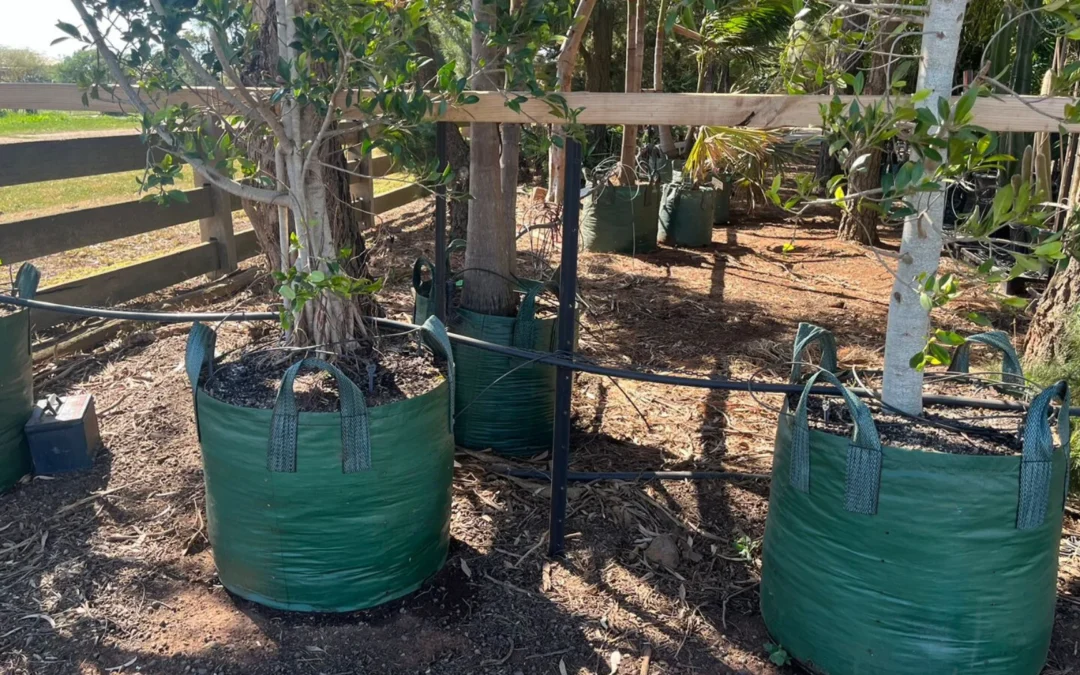
Having a small apartment or a narrow balcony is no obstacle for those who enjoy gardening. This space limitation can be overcome by utilizing vertical areas, such as walls, balcony railings, and ceilings. One effective solution is to use plant bag hanging or plant bag holder.
Understanding the Use of Hanging Plant Bags and Holders in Small Spaces
Beyond saving space, using plant bags allows gardeners to arrange various types of plants in a practical and attractive way. However, before installing them, there are three factors to consider: the weight of the bag when wet, water dripping after irrigation, and the strength of the holder used for support.
Types of Hanging Plant Bags
There are several types of hanging plant bags that can be adapted to your specific needs and the conditions of your space. These include:
- Single hanging bags with cords or hooks
- Multi-pocket wall-mounted bags
- Bags designed for balcony railings
- Stacked vertical bags
Choosing a Plant Bag Holder
Essentially, the choice of a plant bag holder should not be based solely on appearance. The holder must be capable of supporting the bag, the growing medium, and the water retained after irrigation.
Here are some options to consider:
- Wall hooks or brackets
- Ceiling hooks
- Rail-mounted hangers
- Freestanding racks or stands
- Metal frames
Ensure that the chosen holder has an adequate load capacity. Furthermore, account for the combined weight of the bag, growing medium, plants, and water do not base your assessment on the weight of the empty bag alone.
Tips for Hanging Plant Bags
To ensure that your hanging plant bags remain secure and easy to maintain, keep the following points in mind:
- Check the capacity of the hooks: A wet bag is significantly heavier than a dry one. Therefore, verify that the hooks can support the weight after the plants have been watered.
- Manage water runoff: Hang the bags over an area that can get wet, or use a collection tray to prevent drips from staining the floor. Pay attention to light direction: Adjust the position of the hanging bag based on the plant’s light requirements and the specific conditions of your balcony or room.
- Adjust watering frequency: Hanging bags tend to dry out faster, so they may require more frequent watering. In such cases, use a lightweight growing medium to keep the overall weight manageable.
Checklist before hanging plants in planter bags:
- Ensure the strength and capacity of the hook have been verified.
- Consider where water might drip.
- Confirm that the light direction and intensity are appropriate.
- Ensure the bag is easily accessible for watering.
Avoid hanging heavy bags above areas frequently used for walking or sitting. Furthermore, always ensure that the hooks used are sturdy enough to safely support the weight of the bags.
Plants That Grow Well in Hanging Bags
Not all plants require large containers to thrive. Some suitable options for hanging bags include:
- Trailing plants
- Strawberries
- Lettuce
- Small flowers
- Small herbs
Gardening in a small space doesn’t have to start with a large number of containers. Begin with just one or two hanging planter bags. Observe how water drains after watering, how quickly the growing medium dries out, and how light reaches the area.
Once you have found the ideal position and the right support, you can gradually add more plant bag hanging. With careful planning, walls, balcony railings, and ceilings can be transformed into functional green spaces without making your living area feel cramped.
For more information about Planter Bag please contact: Whatsapp/Mobile Phone: +62 811 1721 338 (Ms. Ais) or Email : info@urbanplastic.id