
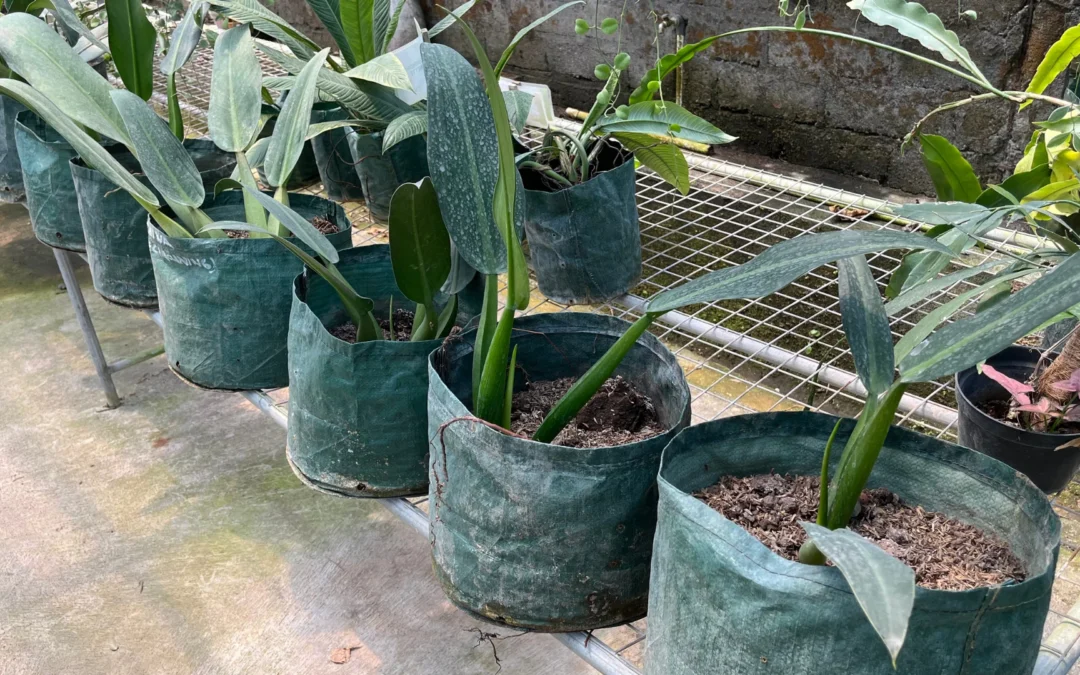
Planter bag supplies are a practical solution for modern gardening activities in limited space. This planting medium uses breathable materials such as HDPE and non-woven fabric. The design is also flexible and durable for up to 5–10 years of use.
The Role of Planter Bag Supplies
Planter bags are pouch-shaped planting containers that replace plastic pots or polybags. Materials such as polypropylene (PP), HDPE, and PET are often used because they are strong and lightweight. Products from planter bag suppliers support optimal root aeration. This medium helps prevent roots from curling, like in conventional pots. The breathable fabric system also further improves air circulation in the soil. This directly impacts healthier plant growth.
Materials and Technologies Used
Planter bag materials consist of PP, HDPE, and recycled PET. HDPE is stiffer, while PET offers a balance between flexibility and durability. Products from planter bag retailers generally use materials that are resistant to UV rays and extreme weather. The porous fabric technology allows water to drain well, preventing waterlogging or waterlogging of the roots. Furthermore, modern materials can maintain stable soil temperatures within the optimal range.
Benefits of Planter Bags for Urban Farming
Planter bags are perfect for urban gardening on balconies or rooftops. Capacity varies from 10 liters to 100 liters, depending on the plant’s needs. Planter bag supports maximum space efficiency. Mobility is also a major advantage, as planter bags offer sturdy handles.
You can move plants depending on the sunlight intensity. This helps optimize photosynthesis. Furthermore, water use is up to 30% more efficient than conventional pots. The drainage system prevents frequent overwatering, which is also important for maintaining soil moisture balance.
General Types of Planter Bags
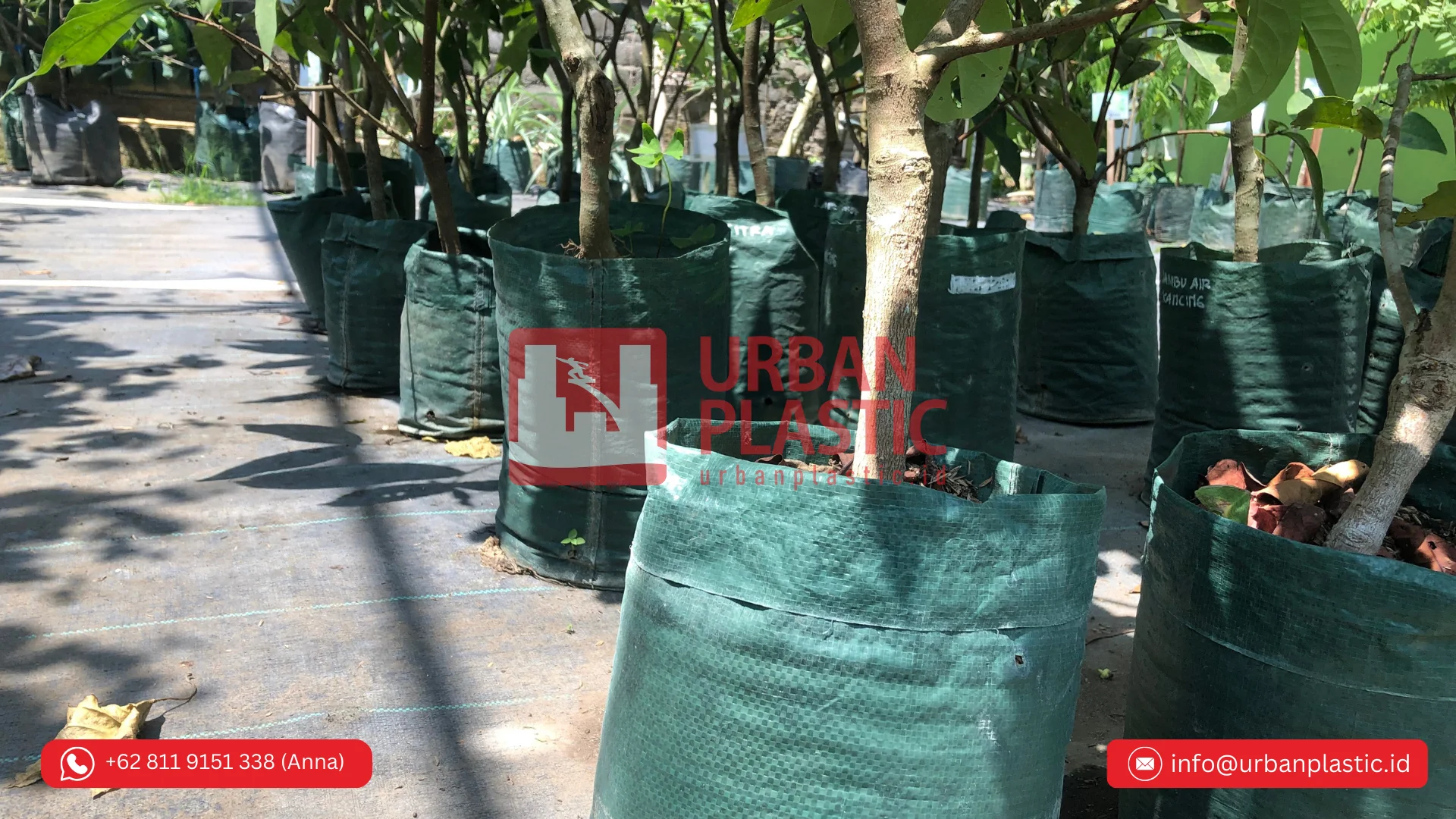
Cylindrical planter bags are the most popular type on the market. This shape is suitable for fruit, vegetable, and ornamental plants. Products from planter bag distributors are usually available in sizes of 38, 50, and 100 liters. You can use a wall planter to utilize a wall as a planting area. They measure approximately 30–70 cm wide and 100–125 cm high, with 5–20 pockets. This type is suitable for small-rooted plants such as lettuce or herbs.
Rectangular hedge planters are ideal for growing plants in rows, such as spinach, kale, chilies, and tomatoes. This design helps distribute roots more evenly within a container.
Advantages Over Conventional Pots
Planter bags offer better ventilation than plastic pots. Plant roots can develop without being hampered. Planter bags offer a practical and efficient solution. Furthermore, they are lightweight, making them easy to move without damaging the soil structure. This greatly aids crop rotation. Furthermore, their flexibility makes them easy to store when not in use.
Planter bags are also more environmentally friendly because they often use recycled materials. This helps reduce plastic waste by up to 40%. Users can garden with a sustainable gardening concept.
Tips for Choosing a Quality Planter Bag
Choose PET material if you want a balance between durability and flexibility. Ensure the thickness is sufficient to protect roots from direct sunlight. Products from trusted planter bag suppliers usually meet high-quality standards. Next, consider the drainage and ventilation system to prevent root rot. Sufficient drainage holes should allow excess water to drain away.
This is crucial for maintaining plant health. Then, adjust the size of the planter bag to suit the type of plant you plan to grow. For example, 10–20 liters for small vegetables and 50–100 liters for fruit trees. Choosing the right size will support optimal growth.
The Role of Planter Bags in Modern Agriculture
Planter bags aren’t just for household use. Many commercial agricultural sectors utilize them for intensive cultivation. Planter bags help increase production efficiency. This medium facilitates soil quality and nutrient control. Farmers can replace the growing medium periodically, resulting in more consistent yields.
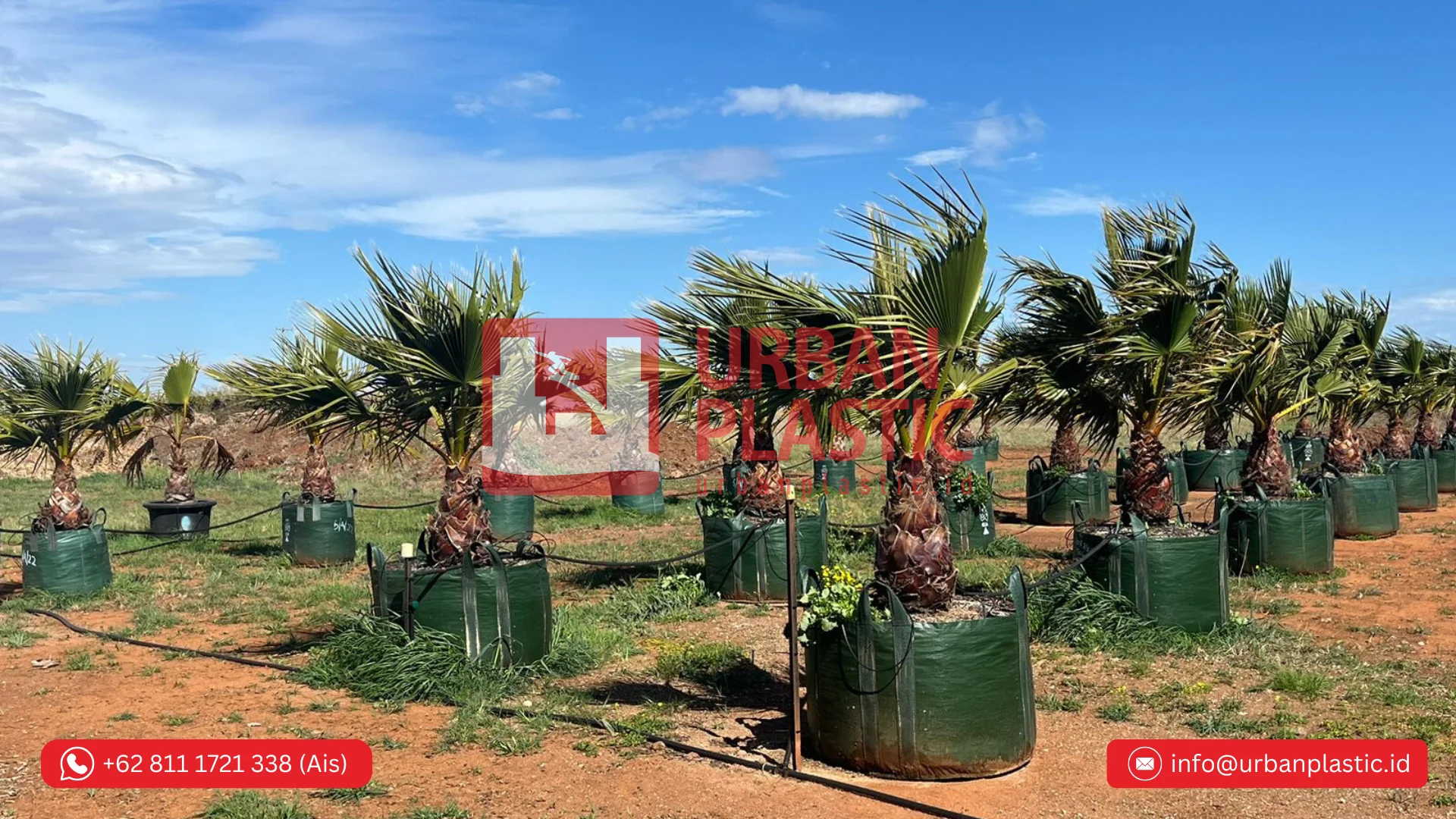
Furthermore, planter bags support portable farming systems. They are suitable for nurseries or planting seedlings such as oil palms and date palms. This flexibility is a key advantage in the modern era. With these advantages, it’s no wonder many people are turning to this method. Gardening becomes easier, more practical, and more environmentally friendly. All of these needs can be met through planter bag supplies.
For more information about Planter Bag please contact: Whatsapp/Mobile Phone: +62 811 1721 338 (Ms. Ais) or Email : info@urbanplastic.id.